How Do Surgical Scars Form?
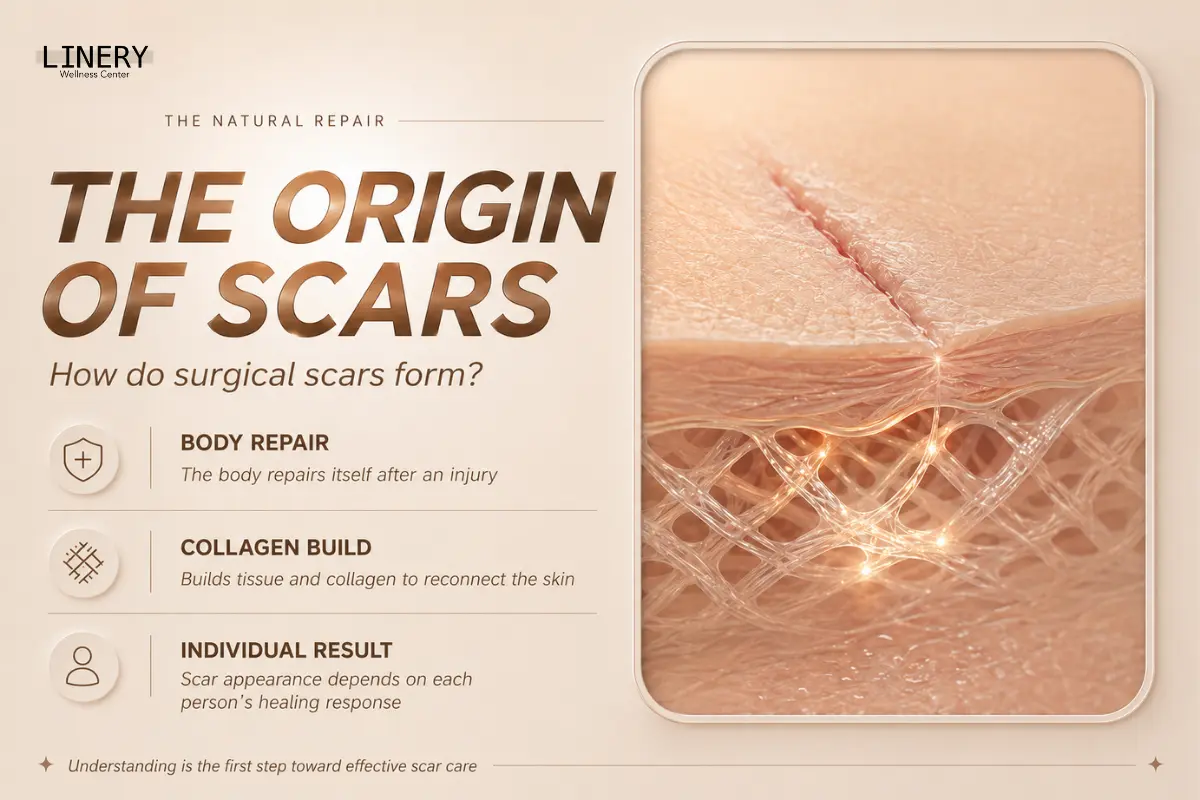
Surgical scars develop as part of the body’s natural healing process after surgery or skin injury. When the skin is damaged, the body begins repairing the affected area by producing new tissue and collagen to reconnect and strengthen the wound.
Although wound healing is a normal biological process, the appearance of a scar can vary from one person to another. Factors such as the location of the incision, wound size, post-surgical care, and individual healing responses may all influence the final appearance of a scar.
For some individuals, scars gradually become flatter and less noticeable over time. For others, scars may remain more visible or require a longer period of remodeling.
The Body’s Natural Wound Healing Process
Following surgery, the body immediately begins repairing damaged tissue. The primary goal of this process is to close the wound and restore the skin’s structural integrity.
During the early stages of healing, collagen is produced to support tissue repair. Over the following months, the scar continues to remodel and change as part of the natural healing process.
This ongoing remodeling process is one reason why the appearance of a scar shortly after surgery may differ from its appearance later on.
Why Do Some Surgical Scars Appear More Noticeable Than Others?
Even when the same surgical procedure is performed, scar appearance can vary significantly between individuals. This is because each person’s body responds differently during the healing process.
Genetics, collagen production, age, skin characteristics, and post-surgical wound care can all influence how a scar develops over time.
In addition, scars located in areas exposed to frequent movement or tension may appear more noticeable in some cases.
Factors That May Influence Scar Formation
The appearance of a surgical scar is not determined solely by the procedure itself. Several factors during the healing process can affect how a scar develops.
These factors may include the size and depth of the wound, the location of the incision, age, overall health, and the quality of post-surgical care.
Understanding these factors can help provide a clearer picture of scar formation and support realistic expectations regarding long-term scar changes.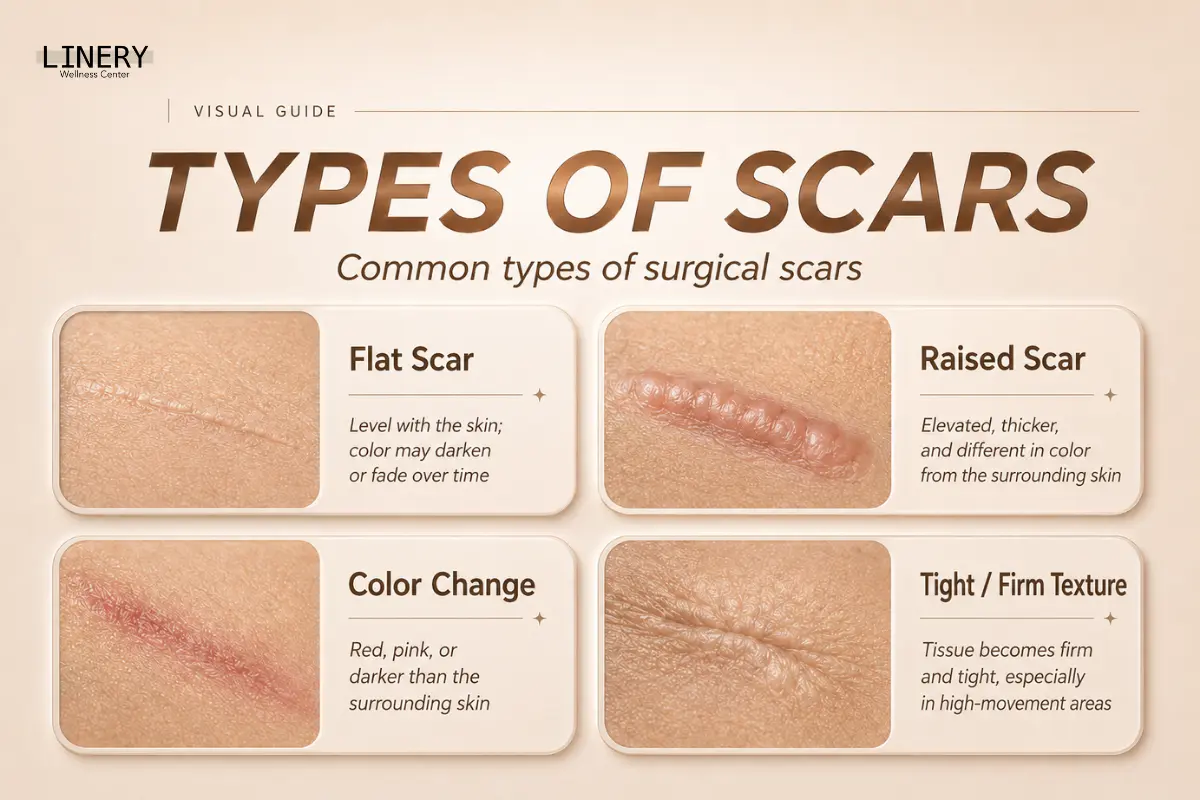
Common Types of Surgical Scars
Surgical scars can appear in different forms depending on the healing process, scar location, and individual skin response. Understanding the characteristics of different scar types can help provide a clearer picture of how scars may change over time.
While some scars gradually improve as healing progresses, scar appearance can vary significantly from one person to another.
Flat Scars
Flat scars are among the most common types of surgical scars. They typically remain close to the level of the surrounding skin and do not significantly protrude above the skin surface.
In the early stages, a scar may appear red or darker than the surrounding skin. Over time, the color may gradually become less noticeable in some individuals.
The rate of change varies depending on skin characteristics and individual healing responses.
Raised Scars
Raised scars appear elevated above the surrounding skin due to increased tissue formation during the healing process.
The appearance of a raised scar can vary in height, width, and color. In some cases, changes may become more noticeable during the months following surgery.
Scar location, skin tension, and individual healing patterns may all influence how a raised scar develops.
Scars With Color Changes
Some surgical scars may appear red, pink, darker, or lighter than the surrounding skin.
These color differences are often related to the healing process, blood flow, and changes in skin pigmentation within the scar tissue.
As healing continues, the color of the scar may gradually change and become less noticeable in some individuals.
Scars That Feel Tight or Firm
Certain scars may feel tight, firm, or different from the surrounding skin, particularly during the early stages of recovery.
This sensation can occur as the tissue continues to heal and remodel after surgery.
In areas of the body exposed to frequent movement or skin tension, scar texture and appearance may develop differently compared with other locations.
Can Surgical Scars Be Reduced?
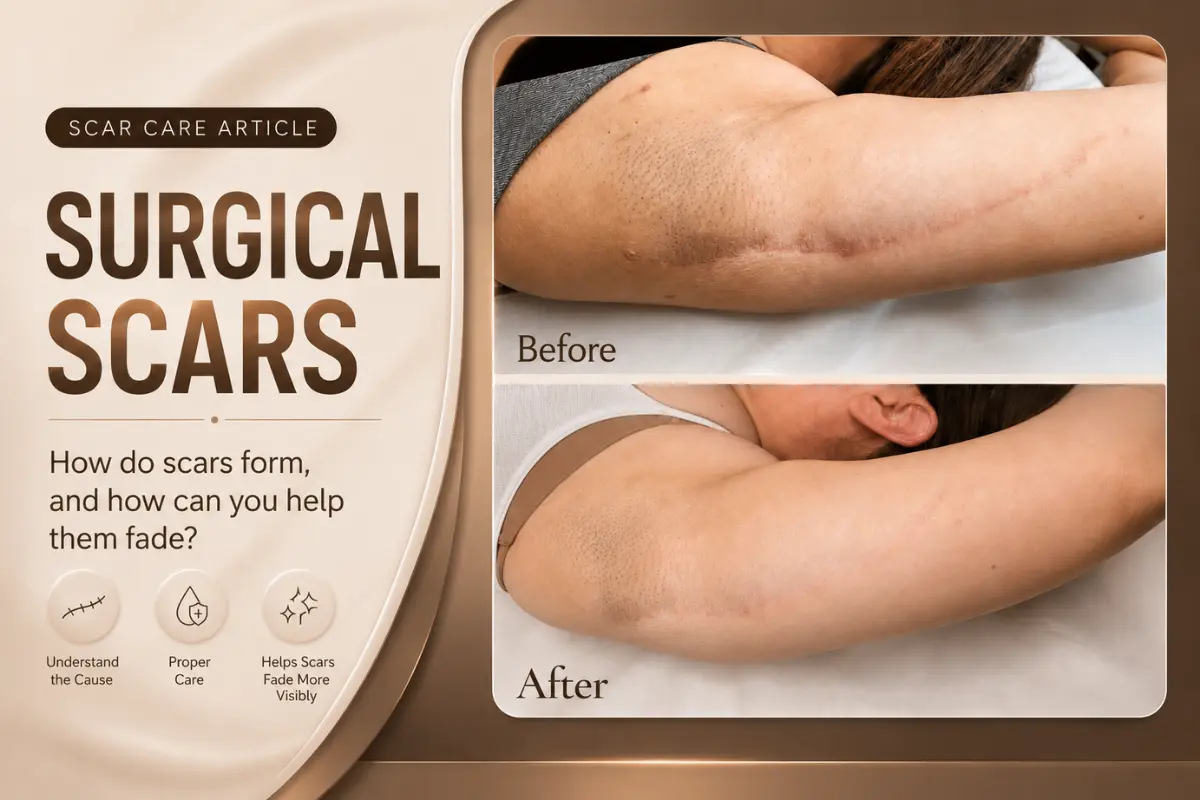
Surgical scars may become less noticeable over time, although the degree of improvement can vary from person to person. Factors such as scar type, scar age, post-surgical care, and individual healing characteristics can all influence how a scar changes over time.
While many people worry that a scar will remain unchanged forever, scar tissue often continues to remodel for months or even years after surgery.
Scars Can Change Over Time
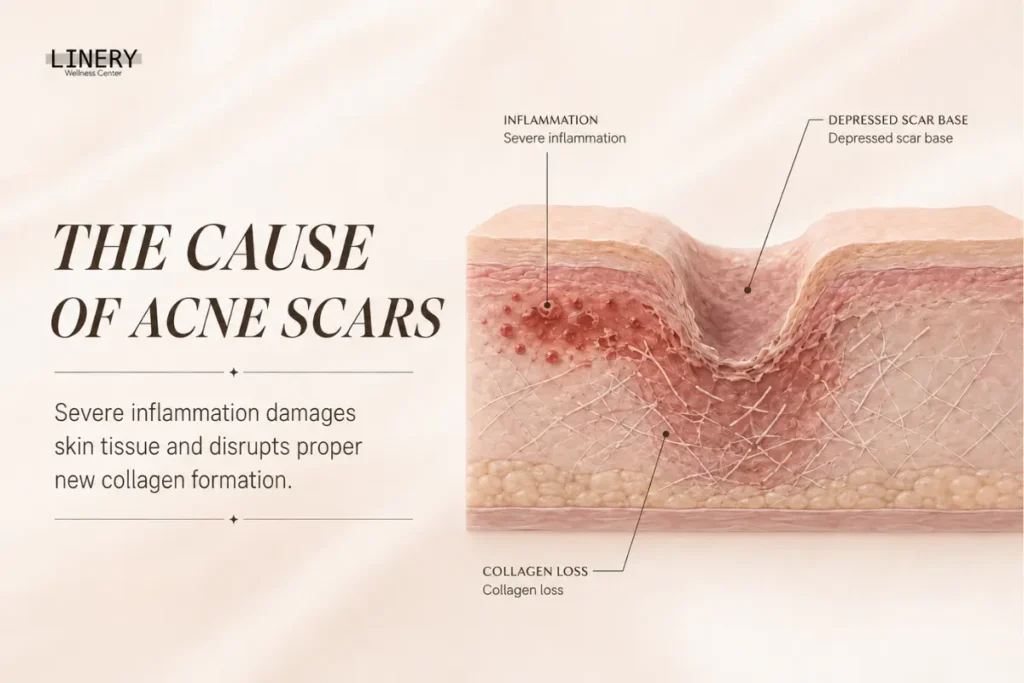
Even after a wound has fully closed, the skin continues its natural remodeling process. During this period, the body gradually reorganizes collagen and scar tissue within the affected area.
In the early stages, a scar may appear darker, redder, or more noticeable than the surrounding skin. As healing progresses, the appearance of the scar may continue to evolve.
The timeline for these changes can vary significantly depending on individual healing patterns and other contributing factors.
Factors That Influence Scar Appearance
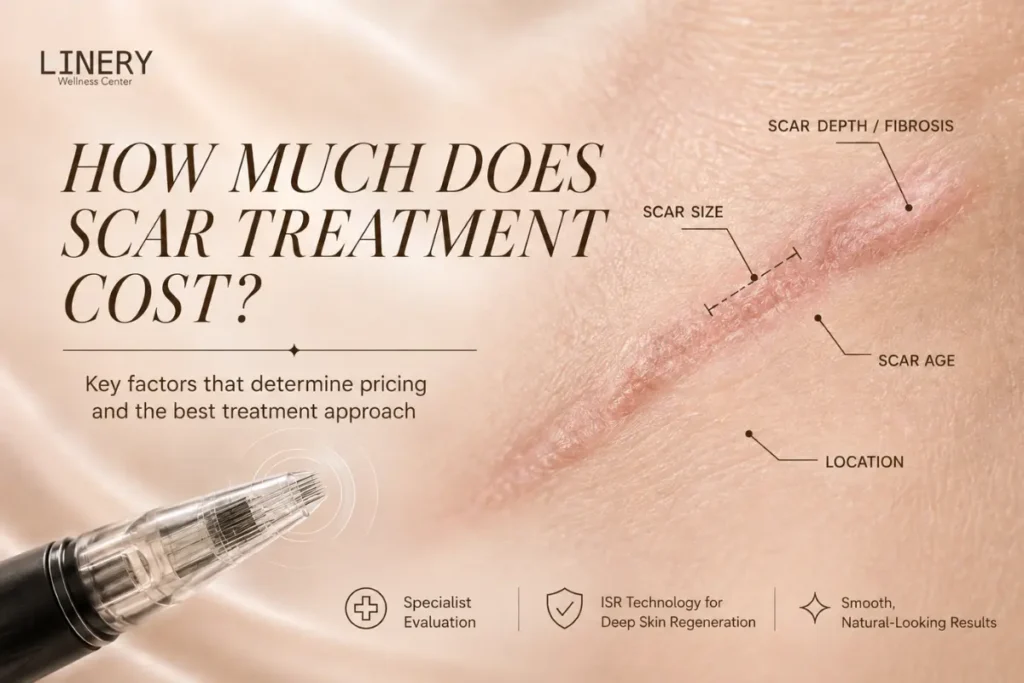
Several factors may affect how a scar develops over time, including the age of the scar, the size and location of the incision, and individual skin characteristics.
Post-surgical care, overall health, and factors that support normal wound healing may also play a role in how a scar changes during recovery.
Because every individual heals differently, outcomes may vary from one person to another.
Setting Realistic Expectations
The goal of scar management is often to help improve the appearance of a scar and support a smoother integration with the surrounding skin where possible. However, results can differ depending on the characteristics of the scar and individual healing responses.
Understanding the natural healing process and the time involved in scar remodeling can help establish realistic expectations before beginning scar care.
In many cases, visible changes may take time, and long-term management may be an important part of the overall process.
What Are the Available Options for Surgical Scar Treatment?
There are several approaches to managing surgical scars, depending on the type of scar, its age, and an individual’s treatment goals. No single method is suitable for every situation, which is why treatment approaches are often tailored to the characteristics of each scar.
Today, scar management may involve self-care measures, scar care products, and medical technologies designed to support skin remodeling.
Daily Scar Care
Proper scar care after a wound has fully healed may help support the skin’s natural recovery process over time.
Avoiding excessive tension on the scar, caring for the skin gently, and minimizing factors that may interfere with healing are common aspects of everyday scar care.
Maintaining overall health through adequate rest and balanced nutrition may also support the body’s recovery process.
Scar Care Products
A variety of scar care products are available and may be used as part of post-surgical scar management.
Different products serve different purposes and may be more appropriate during specific stages of scar development.
When selecting a product, factors such as skin condition, scar characteristics, and product instructions should be taken into consideration.
Medical Technologies for Scar Management
In some cases, medical technologies may be used to support skin remodeling and help improve the appearance of surgical scars.
The most appropriate approach often depends on the type of scar, the age of the scar, and individual skin characteristics.
A detailed assessment of the scar can help determine which options may be most suitable for a particular situation.
Choosing the Right Approach for Your Scar
Every scar is different, and treatment strategies do not always need to be the same for everyone.
Factors commonly considered include scar appearance, scar age, location, and the extent to which the scar affects daily life.
Understanding the characteristics of a scar from the beginning can help support a more personalized approach to long-term scar management.
How Can Laser Treatment Help Surgical Scars?
Laser technology is one of the medical options commonly used in surgical scar management. The treatment approach depends on the characteristics of the scar and the individual’s skin condition. Goals may include improving skin texture, reducing the visibility of discoloration, or supporting overall skin remodeling.
Today, several types of laser technologies are used in scar management, and the most suitable option often depends on the specific features of the scar being treated.
How Does Laser Treatment Work on Scars?
Laser devices deliver controlled energy into the skin using different technologies and treatment depths depending on the intended purpose.
Some laser treatments focus on improving skin texture, while others may be used to address differences in scar coloration or overall skin appearance.
Because different scars have different characteristics, evaluating the scar before treatment is an important part of selecting an appropriate approach.
What Types of Surgical Scars May Be Suitable for Laser Treatment?
Surgical scars can vary widely in appearance. Some may involve changes in skin color, while others may have uneven texture or remain noticeable after the initial healing period.
In some situations, laser treatment may be incorporated into a broader scar management plan alongside other treatment approaches.
The suitability of laser treatment depends on the characteristics of the scar and the individual’s skin condition, which can vary from case to case.
What Should You Know Before Considering Laser Treatment?
Laser treatment is not always the same for every individual. Factors such as scar type, scar age, skin characteristics, and treatment goals can influence the overall treatment plan.
The number of treatment sessions, treatment intervals, and visible changes may also vary depending on individual circumstances.
Understanding the available treatment options and the nature of scar remodeling can help individuals make informed decisions when considering scar management.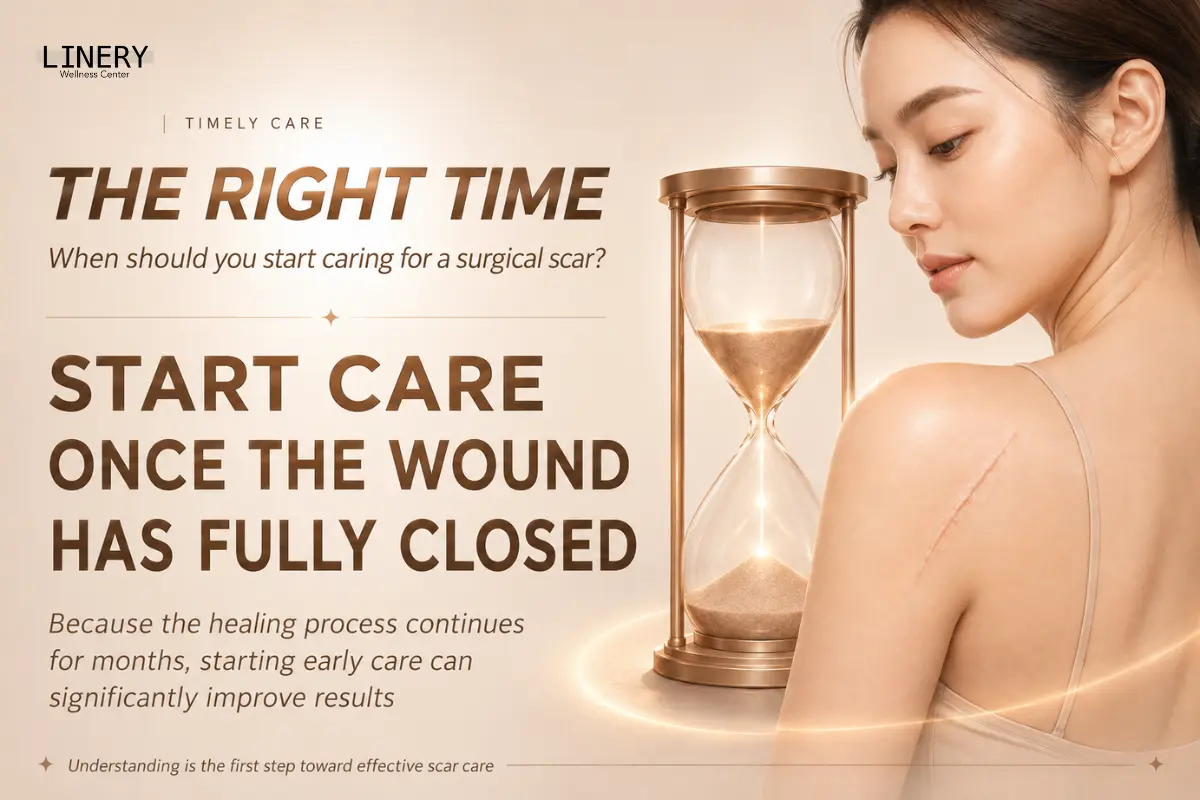
When Should You Start Managing a Surgical Scar?
Scar management is often considered during the recovery phase after surgery, as scars continue to change and remodel for months after a wound has healed. The appropriate timing may vary depending on the type of wound, the healing process, and the management approach being considered.
Even when a wound appears fully closed on the surface, the skin may continue to undergo internal remodeling and recovery for an extended period.
Post-Surgical Recovery and Skin Healing
Following surgery, the body begins repairing damaged tissue and rebuilding the skin. This process continues beyond the initial closure of the wound.
During this period, scar appearance may continue to evolve, including changes in color, texture, and overall skin characteristics.
Understanding the natural healing process can help individuals better monitor how their scar develops over time.
Signs to Monitor During Recovery
As the scar heals, changes may occur in its appearance, including differences in color, elevation, texture, or overall visibility.
Monitoring these changes over time can provide a clearer picture of the scar remodeling process and how the skin is recovering.
Some individuals also find that taking photographs at different stages can help track gradual changes more effectively.
Tracking Scar Changes Over Time
Scar tissue can continue to change, particularly during the months following surgery.
Observing factors such as color, texture, and overall appearance may help identify patterns in the healing process and provide a better understanding of long-term scar development.
Because scar remodeling often occurs gradually, ongoing observation can be an important part of long-term scar management.
Factors That May Influence Surgical Scar Treatment Outcomes
The results of surgical scar management can vary from person to person because several factors may influence how scar tissue develops and changes over time. Understanding these factors can help create realistic expectations regarding scar improvement.
Even when scars are located in similar areas or receive similar care, the healing response may differ between individuals.
Scar Age
The age of a scar is one factor that may influence how it changes over time.
Newer scars are often still undergoing active remodeling, while older scars may have reached a more stable stage of development.
However, scar appearance can continue to evolve over different periods, depending on the characteristics of the scar and individual skin responses.
Scar Location
The location of a scar can play an important role in how it develops because different areas of the body experience different levels of movement and skin tension.
Areas exposed to frequent movement or stretching may develop scars differently from areas with less mechanical stress.
Skin thickness and tissue structure in different parts of the body may also influence scar appearance.
Skin Characteristics and Individual Healing Response
Every person heals differently, and the body’s response to tissue repair can vary considerably.
Factors such as genetics, age, overall health, and skin characteristics may influence collagen production and the skin’s healing process after surgery.
As a result, scar appearance and long-term changes may differ even among individuals who have undergone similar procedures.
Consistent Long-Term Care
Ongoing scar care is another factor that may contribute to long-term changes in scar appearance.
Monitoring scar development, maintaining appropriate skin care, and following a management plan suited to the characteristics of the scar may help support the skin’s natural recovery process.
Because scar remodeling often occurs gradually, consistent long-term care can be an important part of surgical scar management.
What Should You Consider When Managing a Surgical Scar?
Every surgical scar is unique, and choosing an appropriate management approach often depends on the characteristics of the scar and individual treatment goals. Understanding the nature of a scar can help support more informed decisions regarding long-term scar care.
Because scars continue to change over time, a comprehensive assessment of the scar is often an important first step before considering management options.
Assess the Characteristics of the Scar
Surgical scars can vary in appearance, including differences in color, texture, elevation, and skin tightness.
Carefully evaluating these characteristics can provide a better understanding of the current condition of the scar and help guide appropriate management decisions.
Factors such as scar age and scar location are also commonly considered during the assessment process.
Choose an Approach That Matches the Scar
There are many approaches to scar management, ranging from daily scar care and topical products to medical technologies designed to support skin remodeling.
Each option serves a different purpose and may be more suitable for certain scar characteristics or treatment goals.
For this reason, scar management is often most effective when tailored to the specific needs of each individual rather than applying the same approach to every case.
Develop a Long-Term Scar Care Plan
Scar remodeling is a gradual process that can continue for many months as the skin and underlying tissue adapt over time.
Monitoring changes in scar appearance can help provide a clearer understanding of how the scar is evolving and whether adjustments to the care plan may be beneficial.
A long-term approach that aligns with the characteristics of the scar and individual goals may help support ongoing skin health and scar management.
Frequently Asked Questions About Surgical Scar Treatment
Can Surgical Scars Be Reduced?
Surgical scars may become less noticeable over time depending on the characteristics of the scar, its age, and the approach used for scar management. Results can vary from one individual to another.
Do Surgical Scars Fade on Their Own?
Scars are a natural part of the body’s healing process. In some cases, scar appearance may continue to change and become less noticeable over time as the skin undergoes ongoing remodeling.
When Should Surgical Scar Management Begin?
The appropriate timing depends on the type of wound, the healing process, and individual skin recovery. Monitoring scar development is an important part of determining suitable management options.
Can Laser Treatment Help Improve Surgical Scars?
Laser treatment is one of the options that may be used in surgical scar management. The most appropriate approach depends on scar characteristics, skin condition, and individual treatment goals.
Can Older Scars Still Be Managed?
Scar tissue can continue to change over time, including scars that have been present for a longer period. Management options may vary depending on scar age and individual skin characteristics.
How Long Does It Take for a Surgical Scar to Fade?
Scar remodeling is typically a gradual process that may continue for several months or longer. The timeline can vary depending on the scar itself and the body’s healing response.
Conclusion
Surgical scars are a natural result of the body’s wound-healing process. Their appearance can vary depending on factors such as scar location, scar age, skin characteristics, and the individual’s healing response.
Although scars may not disappear completely in every case, a variety of management options are available today to help improve their appearance. Understanding scar characteristics and selecting an appropriate management approach are important steps in supporting long-term skin health.
For more information about scar management and skin remodeling options, visit the Scar Regen.