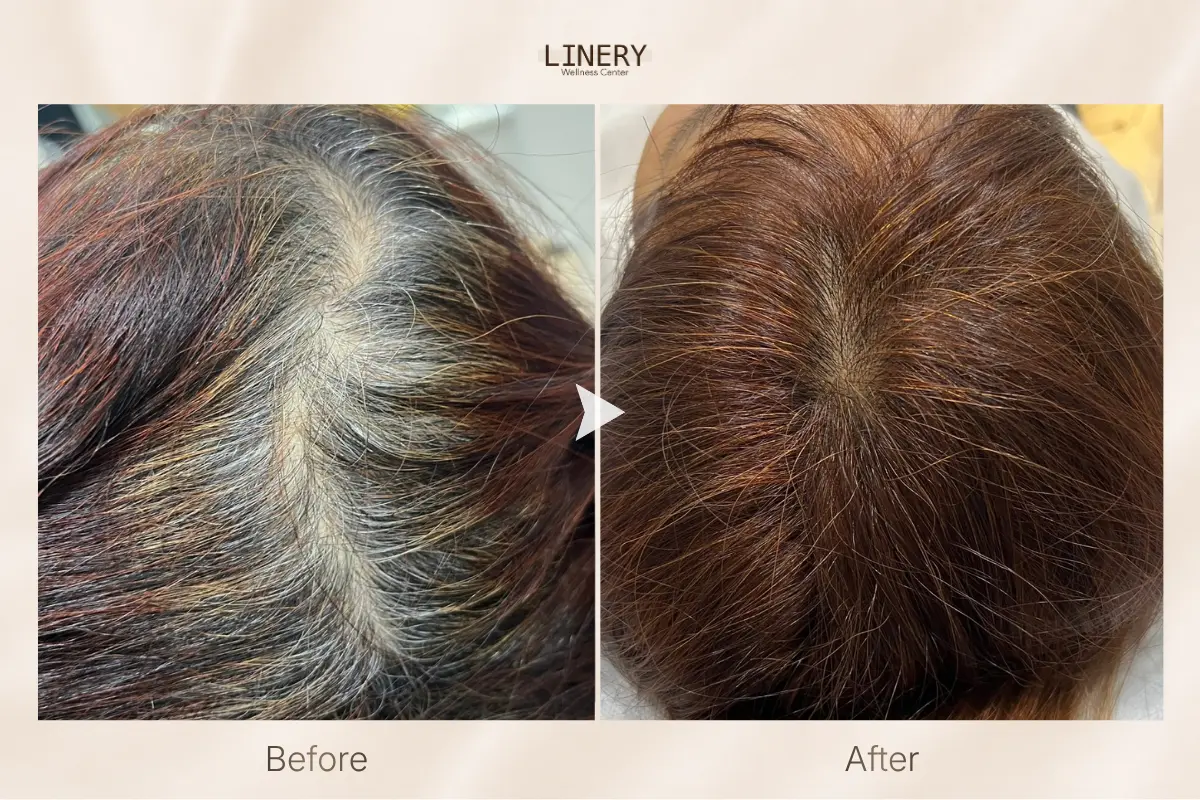
Hair thinning can result from a variety of factors, including genetics, hormonal changes, stress, nutritional deficiencies, aging, and certain underlying health conditions. The underlying cause may vary from person to person, and in some cases, several contributing factors may occur at the same time.
Although hair thinning affects both women and men, the pattern of hair changes and contributing factors can differ. Understanding the potential causes of hair thinning is an important first step toward making informed decisions about hair and scalp care.
Quick Facts: What Causes Hair Thinning?
- Hair thinning can be caused by multiple factors rather than a single issue.
- Genetics is one of the most common causes in both women and men.
- Hormonal changes can affect the natural hair growth cycle.
- Stress, lack of sleep, and nutritional deficiencies may contribute to reduced hair density.
- Aging can lead to finer hair strands and a gradual decrease in hair volume.
- In some cases, hair thinning may be associated with certain medical or health-related conditions.
Expert Insight: Hair thinning is not always linked to a single cause. In many cases, several factors may contribute at the same time, such as genetic predisposition combined with stress, or hormonal changes alongside nutritional deficiencies. Identifying potential contributing factors can help support a more personalized approach to long-term hair and scalp care.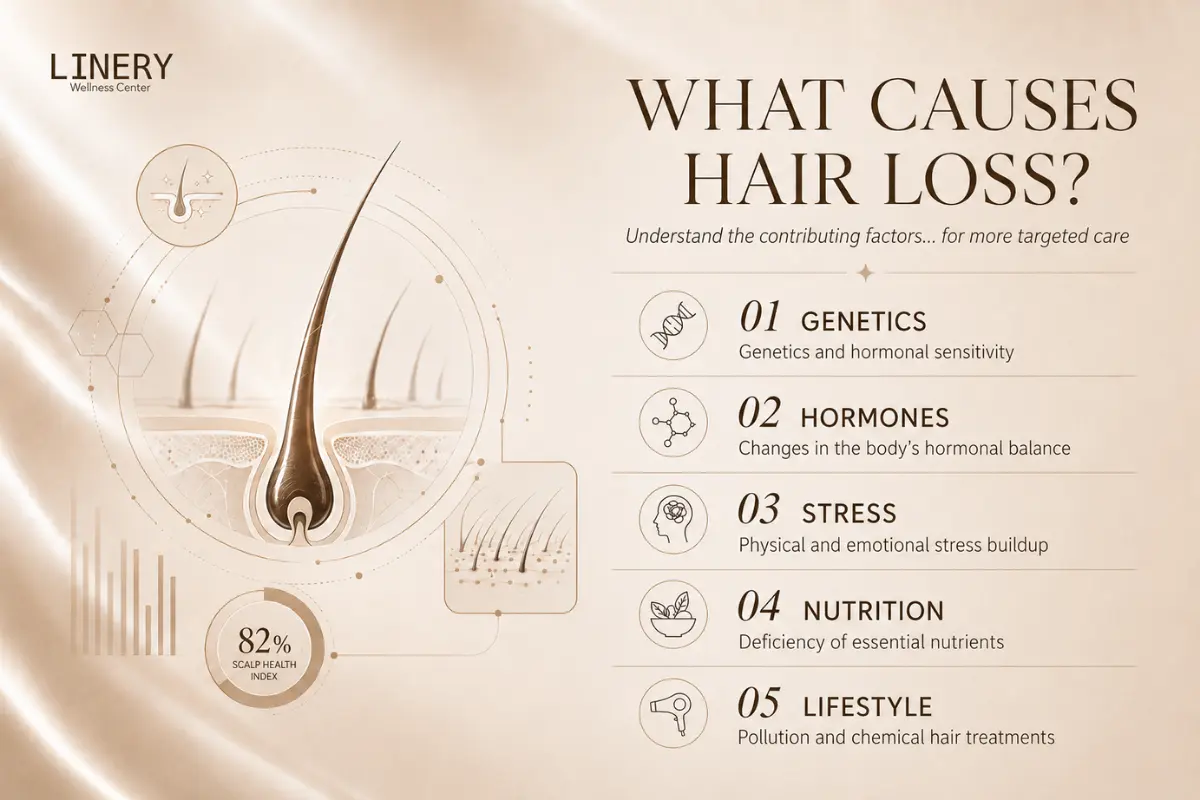
What Causes Hair Thinning? 7 Common Factors to Know
Hair thinning can result from a variety of factors, including genetics, hormonal changes, lifestyle habits, underlying health conditions, and environmental influences. The contributing causes may vary from person to person, and in some cases, multiple factors may be involved at the same time.
Understanding the possible causes of hair thinning is not intended for self-diagnosis. Instead, it helps provide a clearer picture of the factors that may influence overall hair health and hair density.
1. Genetics and Family History
Genetics is one of the most common factors associated with hair thinning. Individuals with a family history of thinning hair or pattern hair loss may have a higher likelihood of experiencing similar changes over time.
This process is often linked to how hair follicles respond to certain hormones, which can gradually cause individual hair strands to become finer and shorten the natural hair growth cycle.
Although genetic hair thinning is often associated with men, women can also experience hereditary hair thinning. However, the pattern of hair density changes may differ between genders.
The age at which hair changes become noticeable, as well as the rate of progression, can vary significantly from one person to another, even among family members.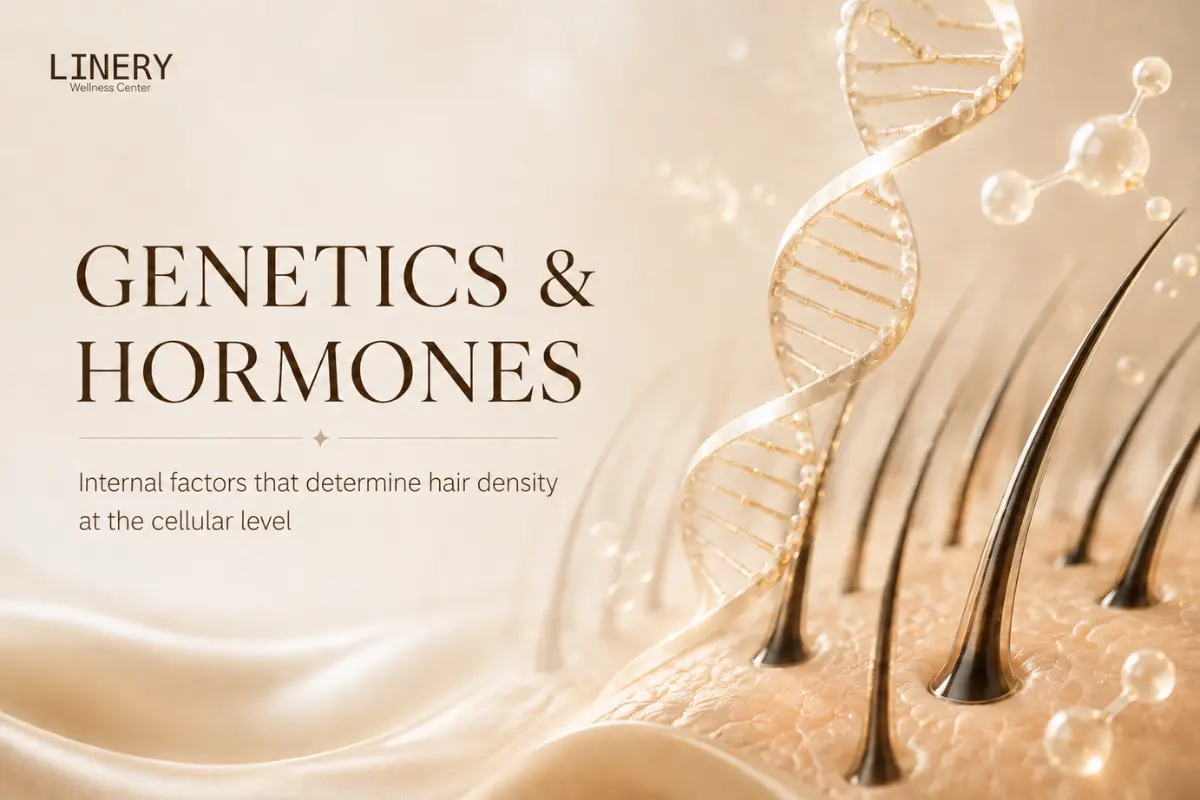
2. Hormonal Changes
Hormones play an important role in the natural hair growth cycle. Changes in hormone levels can affect how hair follicles function and influence different stages of hair growth.
In women, hormonal fluctuations may occur during various stages of life, including after childbirth, during the transition to menopause, or in conditions associated with hormonal imbalance.
In men, certain hormones may contribute to gradual changes in hair follicle size, causing individual hair strands to become finer and less dense over time.
However, hormonal changes do not affect everyone in the same way. Genetics, age, and overall health can also influence how hair responds to hormonal shifts.
3. Chronic Stress and Lack of Sleep
Stress and insufficient sleep may affect overall health, including the natural hair growth cycle. In some cases, the body’s response to prolonged stress can influence normal hair-related processes.
Long-term stress may affect the body’s internal balance and could be associated with changes in the hair growth cycle in certain individuals.
In addition, inadequate sleep may interfere with the body’s recovery processes, which play an important role in maintaining healthy hair and scalp function.
While stress is not the sole cause of hair thinning, it is frequently discussed as one of the factors that may contribute to changes in hair health.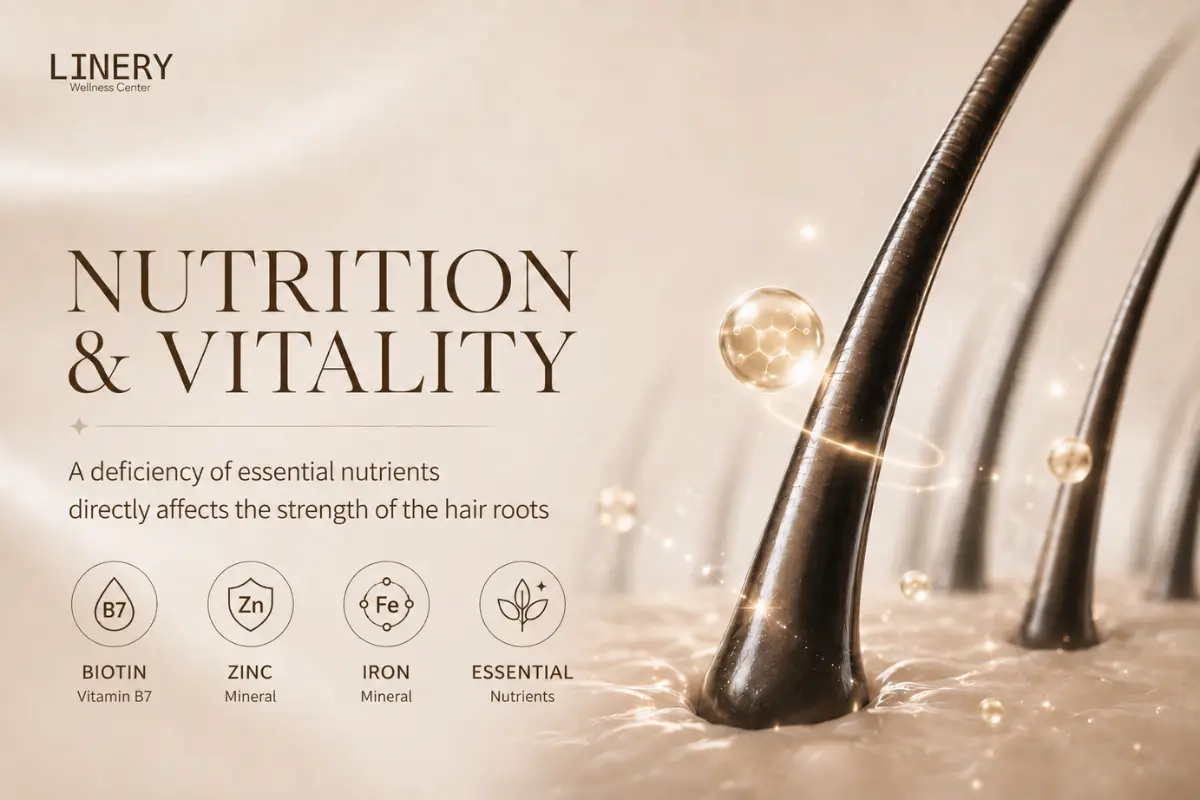
4. Nutritional Deficiencies
Healthy hair growth depends on a variety of nutrients that support normal hair structure and function. When the body does not receive adequate nutrition, hair health may be affected.
Nutrients commonly associated with hair health include protein, iron, zinc, and several vitamins and minerals involved in the hair growth process.
Individuals following highly restrictive diets, experiencing rapid weight loss, or living with conditions that affect nutrient absorption may be at a greater risk of nutritional deficiencies.
However, hair thinning does not automatically indicate a nutritional deficiency, as multiple factors can contribute to changes in hair density.
5. Ageing and Changes in the Hair Growth Cycle
As we age, the body naturally undergoes various changes, including those that affect hair follicles and the hair growth cycle.
Each hair strand follows a natural cycle of growth, resting, and shedding. Over time, the growth phase may become shorter, giving new hairs less opportunity to grow to their previous thickness and length.
Newly growing hairs may also become finer and smaller in diameter, which can gradually reduce overall hair density and hair volume.
However, age-related hair changes do not occur at the same rate in everyone. Genetics, overall health, and lifestyle factors may all influence how hair changes over time.
6. Underlying Medical Conditions and Health Factors
Overall health is more closely connected to hair health than many people realize. In some cases, thinning hair may occur alongside certain medical conditions or underlying health concerns.
For example, conditions involving hormones, the immune system, or nutrient transport within the body may be associated with changes in the hair growth cycle in some individuals.
In addition, major illness, surgery, or periods of significant physical stress may temporarily affect normal hair growth.
While hair thinning does not automatically indicate the presence of a medical condition, considering overall health is an important part of understanding potential contributing factors.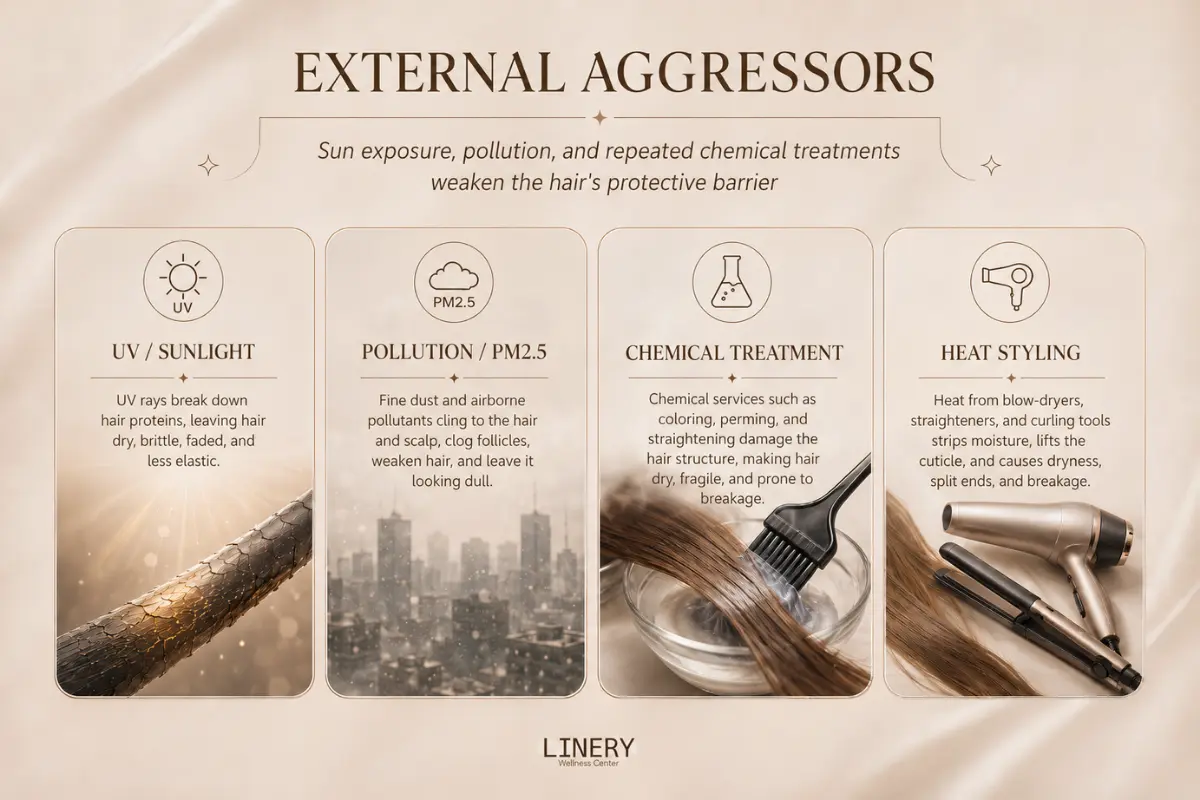
7. Lifestyle Habits That Affect Hair and Scalp Health
Daily habits can influence the health of both the hair and scalp over time, particularly when those habits continue for many years.
Frequent heat styling, regular chemical treatments, hair colouring, perming, or straightening may weaken the hair shaft and increase hair fragility.
Scalp care also plays an important role. Product build-up, irritation, or factors that affect the scalp environment may influence conditions that support healthy hair growth.
Although these habits may not directly cause hair thinning in every case, maintaining healthy hair and scalp care practices remains an important part of long-term hair health.
Do Women and Men Experience Hair Thinning for the Same Reasons?
Hair thinning can affect both women and men, but the contributing factors and patterns of hair changes may differ. While some causes are common to both sexes, certain factors may occur more frequently or have different effects depending on biological differences.
Common Causes of Hair Thinning in Women
Hormonal changes are among the factors most commonly associated with hair thinning in women. These changes may occur during different stages of life, including after childbirth and during the transition to menopause.
Stress, restrictive dieting, and genetic factors may also contribute to changes in hair density and overall hair volume.
In women, hair thinning often appears as a general reduction in hair density across the scalp rather than in a single localized area.
Common Causes of Hair Thinning in Men
In men, genetic predisposition and the response of hair follicles to certain hormones are among the most common factors associated with hair thinning.
These changes typically develop gradually over time and may become noticeable at a relatively young age in some individuals.
Lifestyle factors, stress, and overall health can also influence hair health and may contribute to changes in hair density.
Comparison of Common Factors in Women and Men
| Factor | Women | Men |
|---|---|---|
| Genetics | ✓ | ✓ |
| Hormonal Changes | ✓ | ✓ |
| Chronic Stress | ✓ | ✓ |
| Nutritional Deficiencies | ✓ | ✓ |
| Postpartum Changes | ✓ | – |
| Menopause Transition | ✓ | – |

When Should Hair Thinning Be Evaluated Further?
Some changes in hair density can occur naturally over time, but certain situations may warrant further evaluation. This is especially true when hair thinning becomes more noticeable, progresses continuously, or occurs alongside other changes.
Hair Thinning That Continues Over Time
If you notice a gradual reduction in hair density over several months, or if your hair continues to appear thinner over time, monitoring these changes more closely may help identify patterns.
In some cases, ongoing hair thinning may be associated with multiple contributing factors rather than a single cause. Looking at overall health and lifestyle factors may provide additional context.
Hair Thinning Accompanied by Excessive Hair Shedding
Hair thinning that occurs alongside a noticeable increase in hair shedding may deserve closer attention.
Observing changes in daily hair shedding, as well as changes in overall hair volume and density, can help provide a clearer picture of how your hair is changing over time.
Hair Thinning Alongside Other Health Changes
In some situations, hair thinning may occur together with other changes in overall health, whether directly related to hair or not.
Considering broader health factors alongside changes in hair density may help create a more complete understanding of overall well-being and support long-term health management.
What If Hair Thinning Is Caused by Multiple Factors?
Hair thinning is not always the result of a single cause. In many cases, several factors may contribute at the same time, such as genetic predisposition combined with stress, or hormonal changes occurring alongside lifestyle-related factors.
Start by Identifying Possible Contributing Factors
Paying attention to changes in your hair and reviewing daily habits may help you better understand potential contributing factors.
Changes in health status, medication use, sleep patterns, and dietary habits may all provide useful information when assessing the bigger picture.
Evaluate Overall Health and Lifestyle Habits
Hair health is closely connected to overall well-being. Adequate sleep, balanced nutrition, regular physical activity, and stress management all play important roles in supporting healthy hair.
Although some factors, such as genetics, cannot be changed, maintaining healthy lifestyle habits may help support long-term hair and scalp health.
Create a Personalized Hair Care Plan
Because the causes of hair thinning can vary from person to person, there is no single approach that works for everyone.
Understanding the factors that may be influencing your hair health is an important first step toward developing a hair and scalp care plan that is appropriate for your individual needs over the long term.
Frequently Asked Questions About Hair Thinning
What Causes Hair Thinning?
Hair thinning can result from a variety of factors, including genetics, hormonal changes, stress, nutritional deficiencies, ageing, and certain underlying health conditions. The contributing factors may vary from one person to another, and in some cases, multiple causes may be involved at the same time.
At What Age Can Genetic Hair Thinning Begin?
Genetic hair thinning can become noticeable at a relatively young age in some individuals. However, the age of onset and the rate of progression can vary depending on genetic factors and other individual characteristics.
Can Stress Really Cause Hair Thinning?
Stress is one of the factors that may be associated with changes in the hair growth cycle, particularly when it occurs over an extended period. However, hair thinning is often influenced by multiple factors rather than stress alone.
Can Vitamin Deficiencies Cause Hair Thinning?
Healthy hair growth depends on a range of vitamins, minerals, and nutrients. When the body does not receive adequate nutrition, hair health may be affected. However, nutritional deficiencies are not the cause of hair thinning in every case.
How Does Hair Thinning Differ Between Women and Men?
Both women and men can experience hair thinning, but the pattern of hair changes and contributing factors may differ. Women often experience a more general reduction in hair density across the scalp, while some men may notice more visible changes in specific areas.
Can Hair Appear Thicker Again After Thinning?
Hair thinning can occur for many different reasons, and the way hair changes may vary from person to person. Understanding the factors that may be affecting hair health is an important step in developing an appropriate approach to long-term hair and scalp care.
Conclusion
Hair thinning can result from a variety of factors, including genetics, hormonal changes, stress, nutritional deficiencies, ageing, and certain health conditions. In many cases, more than one contributing factor may be involved at the same time.
Understanding the potential causes of hair thinning can provide a clearer picture of overall hair health and help guide a more personalized approach to hair and scalp care.
If you notice a gradual reduction in hair density or changes that affect your confidence, taking a closer look at the factors that may be involved can help you better understand the pattern of hair thinning.
For more information about hair and scalp care, explore our Hair Transformation page.