What Causes Female Hair Thinning?
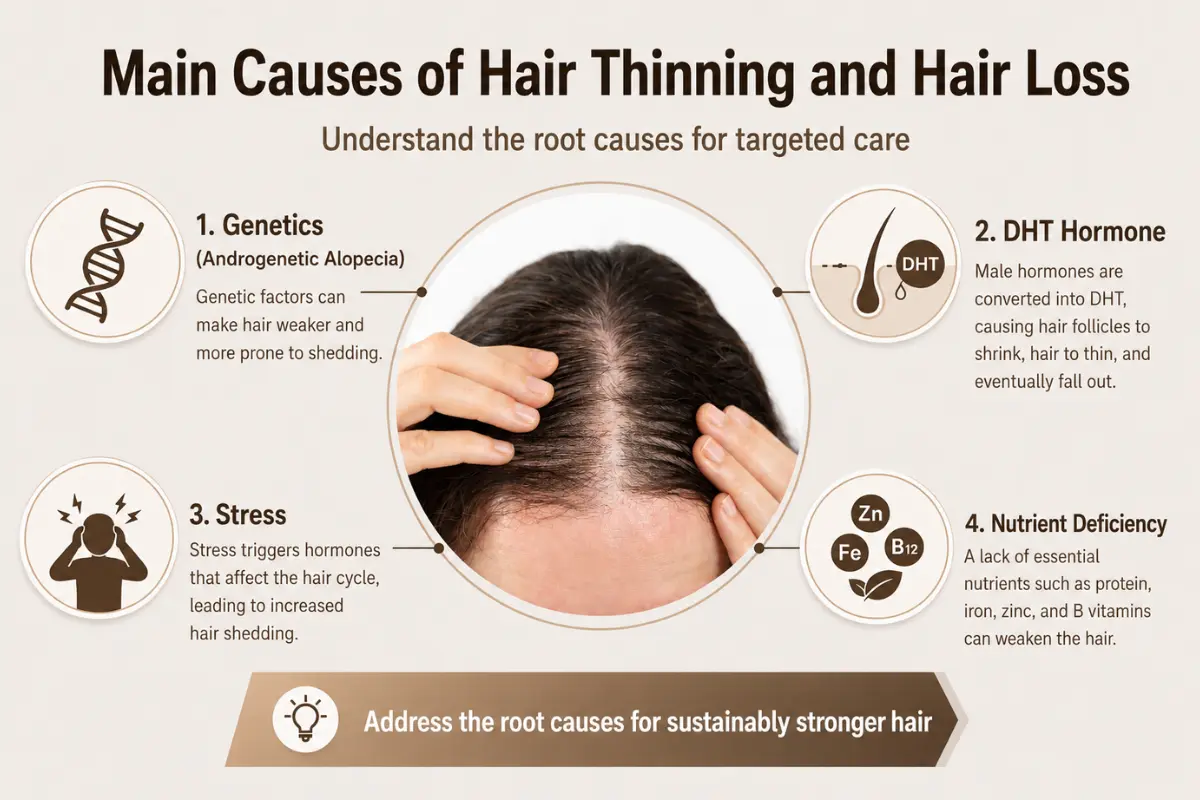
Female hair thinning may be associated with several factors, including hormonal changes, aging, chronic stress, genetics, and overall health. Early signs often appear gradually, such as a widening hair part, reduced hair volume, or visibly lower hair density.
These factors do not affect everyone in the same way. Hair thinning patterns may vary depending on age, lifestyle, and scalp health. Recognizing changes early can help provide better context for understanding the condition.
The table below outlines common factors that may be linked to female hair thinning and examples often associated with them.
| Factor | Examples That May Be Related |
|---|---|
| Hormones | Hormonal changes during different life stages |
| Aging | Hair density may gradually decrease with age |
| Stress | Chronic stress or insufficient sleep |
| Genetics | Family history of hair thinning |
| Overall Health | Nutrition and certain health-related changes |
Hormonal Changes May Affect Hair Density
Hormonal fluctuations during certain stages of life may influence the hair growth cycle, potentially making hair appear thinner or reducing overall density. However, the impact can vary from person to person.
How Can Stress and Sleep Affect Hair Health?
Chronic stress and insufficient sleep may influence the body’s balance, including the natural hair growth cycle. In some cases, hair may enter the resting phase earlier than usual, which can gradually make thinning more noticeable over time.
The effects of stress are not always immediate. Some people may notice changes in hair density weeks or months after prolonged periods of stress, making the underlying cause harder to identify.
In addition, poor sleep quality may be associated with the body’s overall recovery processes, including scalp and hair health.
Can Aging Affect Hair Density in Women?
As people age, changes in the hair growth cycle may occur, which can make hair appear thinner or reduce overall volume in some individuals. These changes often happen gradually, making early signs harder to notice.
Beyond aging itself, factors such as overall health, lifestyle, and scalp care may also influence hair density. As a result, people of similar ages can experience different patterns of hair changes.
Age-related changes do not necessarily mean hair thinning will occur in everyone. However, noticing subtle early signs may help provide better insight into overall hair health.
7 Early Warning Signs of Female Hair Thinning That Are Often Overlooked
Female hair thinning rarely happens overnight. In many cases, changes occur gradually until reduced hair density becomes more noticeable. Early signs may include a widening hair part, reduced volume, or hair becoming harder to style as before.
Recognizing subtle changes early may help provide better insight into patterns of thinning and related factors, especially when these changes continue over several months.
A Widening Hair Part
One of the earliest signs some women notice is a widening hair part or increased visibility of the scalp. This change often develops gradually and may become more obvious when compared with older photos or previous hairstyles.
In some cases, excessive shedding may not be present. Instead, overall hair density decreases, making the center part or crown area appear thinner.
Observing where thinning occurs, together with how long the changes have been present, may provide more context about the pattern of hair thinning.
Hair Feels Thinner Even Without Excessive Shedding
Hair thinning does not always mean noticeable hair loss. Some women may first observe that their hair feels flatter, loses volume, or becomes more difficult to style as before. These changes may develop gradually as overall hair density decreases.
In many cases, hair strands may become finer before a visible reduction in hair quantity occurs. As a result, some people may assume it is only a temporary change in hair texture or volume.
If familiar hairstyles begin to appear flatter over time or hair feels consistently less full, it may be another sign worth monitoring.
Hair Feels Less Full When Tied Into a Ponytail
Some women first notice changes through everyday routines, such as feeling that their ponytail has become thinner than before. Hair ties that previously fit comfortably may need extra loops, or the overall thickness of tied hair may seem reduced.
These changes often happen gradually and can be easy to overlook, especially when there is no obvious increase in hair shedding.
Although personal perception alone cannot determine the cause, noticing ongoing changes may help identify patterns related to hair health over time.
Increased Scalp Visibility Under Light
Some women may begin to notice that their scalp becomes more visible under natural light, indoor lighting, or in photographs. This is often more noticeable around the hair part or central scalp area, where hair may appear less dense.
Greater scalp visibility does not always indicate hair thinning, as hair texture, hair color, and styling methods can also affect appearance. However, changes that become progressively more noticeable over time may be worth monitoring.
Comparing photos taken over different periods may help reveal gradual changes in hair density more clearly than day-to-day observation.
Hair Shedding Continues Longer Than Usual
Hair naturally goes through shedding cycles. However, if shedding continues for several months or hair gradually feels less dense over time, it may be another sign worth paying attention to. This is especially relevant when accompanied by reduced hair volume or a widening hair part.
Short-term shedding may sometimes be associated with temporary factors, while persistent changes may require consideration of broader health or hair pattern factors.
Observing how long these changes have continued, together with their progression, may provide better insight into overall hair health.
Slower Hair Regrowth or Reduced Recovery Over Time
For some women, changes in hair may not be noticed only through shedding or widening hair parts. Instead, they may feel that new hair grows back more slowly or that overall hair fullness does not recover as easily as before. In some cases, shifts in the hair growth cycle may shorten the active growth phase.
When hair regrowth becomes slower, overall hair density may gradually decrease over time, even without obvious signs of increased shedding.
However, hair growth rates vary between individuals and may be influenced by factors such as age, overall health, and scalp care habits.
Changes in Hair May Affect Confidence Over Time
Changes in hair appearance may influence confidence in daily life, especially when familiar hairstyles no longer look the same or styling takes more effort than before. For some women, these subtle changes may gradually affect self-image without being immediately recognized.
The emotional impact of hair changes varies from person to person. However, noticing shifts in hair appearance is often one reason why individuals become more aware of their scalp and hair health.
Emotional well-being should be considered alongside physical changes, as hair health can influence quality of life in different ways.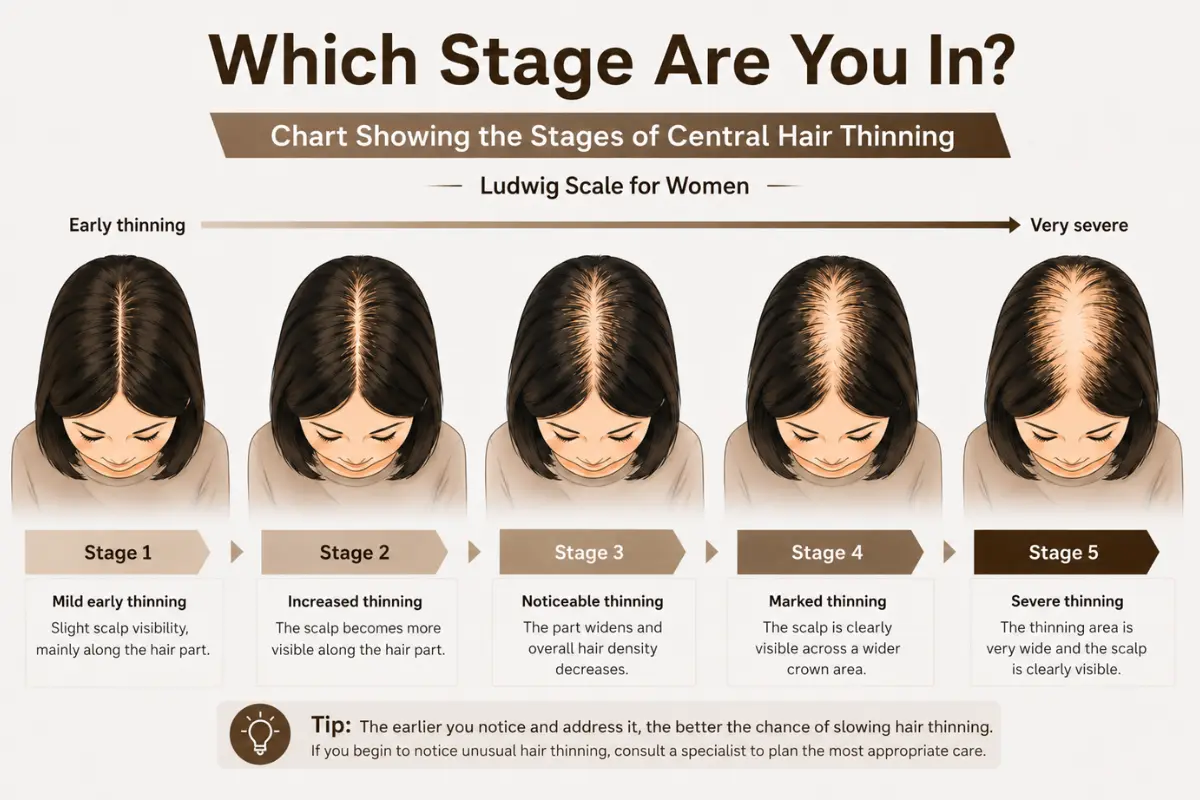
What Is the Difference Between Hair Loss and Hair Thinning?
Hair loss and hair thinning are not always the same condition. Hair loss often refers to an increase in the number of hairs shedding, while hair thinning usually describes a gradual reduction in hair density, making hair appear less full or the scalp more visible over time.
In some cases, individuals with hair thinning may not experience excessive shedding. Instead, changes may occur because hair strands become finer or the natural hair growth cycle shifts over time.
The table below highlights key differences between hair loss and hair thinning.
| Feature | Hair Loss | Hair Thinning |
|---|---|---|
| Observable Change | Increased hair shedding | Reduced overall hair density |
| Duration | May be temporary or episodic | Often develops gradually over time |
| Visible Signs | More hair falls out | Wider hair part or thinner appearance |
| Overall Effect | Temporary reduction in hair amount | Progressive change in hair fullness |
Although hair loss and hair thinning can occur together, their patterns and contributing factors may differ. Paying attention to ongoing changes may provide better understanding of overall hair health.
Does Age Affect Hair Thinning in Women?
Increasing age may be associated with changes in the hair growth cycle, potentially leading to reduced hair density in some individuals. These changes often develop gradually and may first appear as reduced volume or hair becoming harder to style.
However, age alone is not the only factor linked to hair health. Lifestyle habits, stress levels, overall health, and scalp care may also play a role.
As a result, women of similar ages may experience different patterns of hair changes. Some may notice changes earlier, while others may not observe significant differences.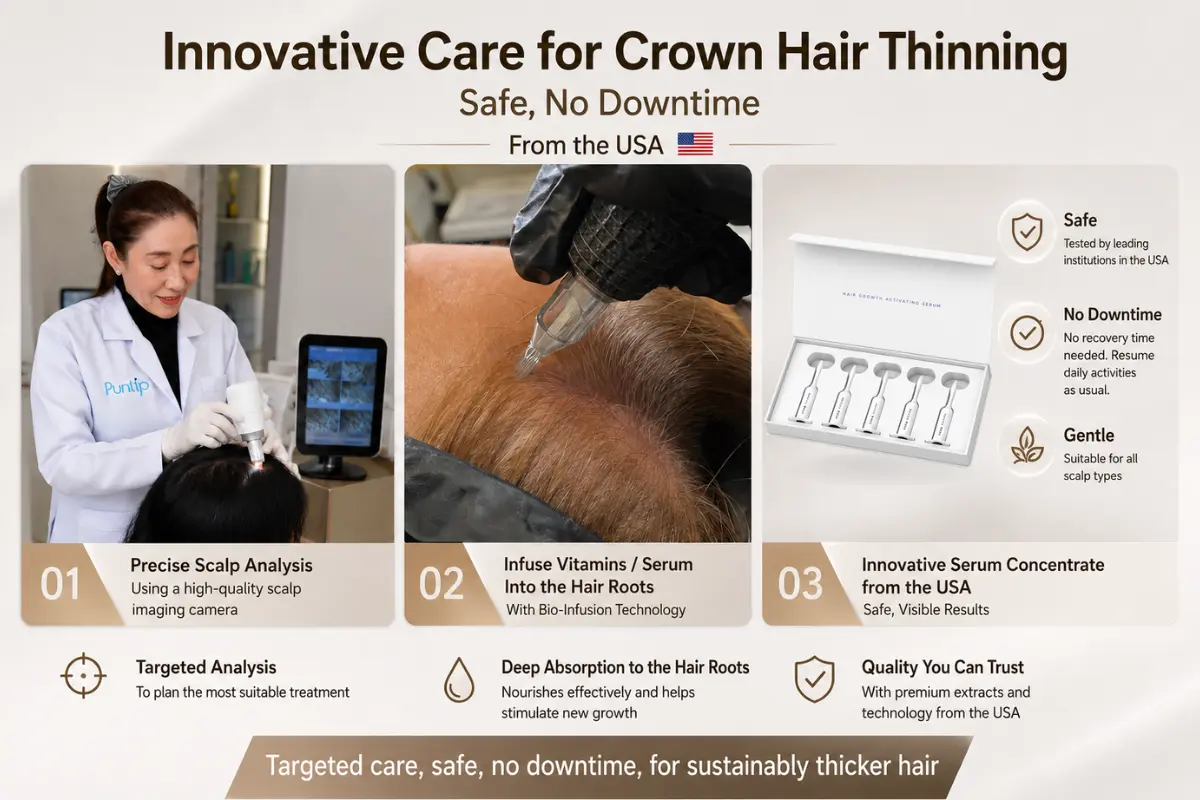
When Should You Consider Assessing Scalp and Hair Health?
If you begin noticing persistent hair thinning, a widening hair part, or gradual changes in hair density over several months, assessing scalp and hair health may help provide more insight into contributing factors. This is especially relevant when these changes start affecting hairstyling routines or self-confidence. (Ref: AAD)
A single observation may not always indicate a concern. However, ongoing changes over time may help distinguish temporary shedding from gradual thinning patterns.
Common signs that may prompt further assessment include:
- A progressively widening hair part
- Reduced hair volume or fullness
- Increased scalp visibility
- Hair shedding or reduced density lasting several months
- Slower recovery in overall hair appearance
Understanding hair patterns early may help support more personalized approaches to scalp and hair care.
Early Approaches to Supporting Hair Health in Women
Supporting hair health during the early stages of thinning often begins with identifying lifestyle factors that may influence overall hair condition. These may include sleep quality, stress levels, nutrition, and scalp care habits.
Because hair health is influenced by multiple factors, paying attention to overall well-being may provide a useful foundation for supporting healthy hair over time.
Sleep Quality and Stress Management
Adequate sleep and reducing prolonged stress may help support the body’s balance, which is connected to multiple aspects of the hair growth cycle.
Balanced and Varied Nutrition
Certain nutrients play a role in maintaining hair health. Eating a balanced and varied diet may be one factor that supports overall hair condition.
Appropriate Scalp Care
Scalp health forms part of the environment that supports hair. Choosing care approaches suited to individual scalp conditions may help provide better understanding of factors affecting hair over time.
How Is Hair Root Assessment Different From Observing Hair Alone?
Observing hair externally may help identify visible changes in density or thinning patterns, but it does not always reflect the full range of factors related to scalp and hair root health. In some cases, changes may begin within the hair growth cycle or scalp environment before becoming visibly noticeable.
Hair root assessment generally aims to better understand hair patterns, contributing factors, and individual scalp conditions, which may vary depending on age, lifestyle, and overall health.
The table below outlines key differences between general hair observation and scalp or hair root assessment.
| General Observation | Hair Root Assessment |
|---|---|
| Focuses on visible hair appearance | Considers factors related to scalp and hair roots |
| Observes density or hair quantity | Evaluates patterns and progression over time |
| Often notices changes after they appear | Aims to understand contributing factors earlier |
For individuals noticing gradual changes in hair density, understanding scalp and hair root health may provide broader context regarding possible contributing factors.
To explore more about personalized approaches to supporting scalp and hair health, you may learn more about the Hair Transformation program.
FAQ — Female Hair Thinning
Can Female Hair Thinning Be Managed?
Approaches to supporting hair thinning may vary depending on contributing factors, the stage of change, and individual health conditions. Understanding hair patterns early may help guide more suitable care options.
Are Hair Loss and Hair Thinning the Same?
Hair loss generally refers to increased shedding, while hair thinning is more often associated with reduced hair density. Although they may occur together, they are not always the same condition.
Does a Wider Hair Part Always Mean Hair Thinning?
A widening hair part may be one sign associated with changes in hair density, but it does not confirm hair thinning on its own. Hair texture, styling habits, and other factors may also influence appearance.
Is Hair Thinning Normal for Women Over 30?
Hair changes may occur with age in some individuals, but the pattern and degree of change vary from person to person. Age alone does not fully explain overall hair health.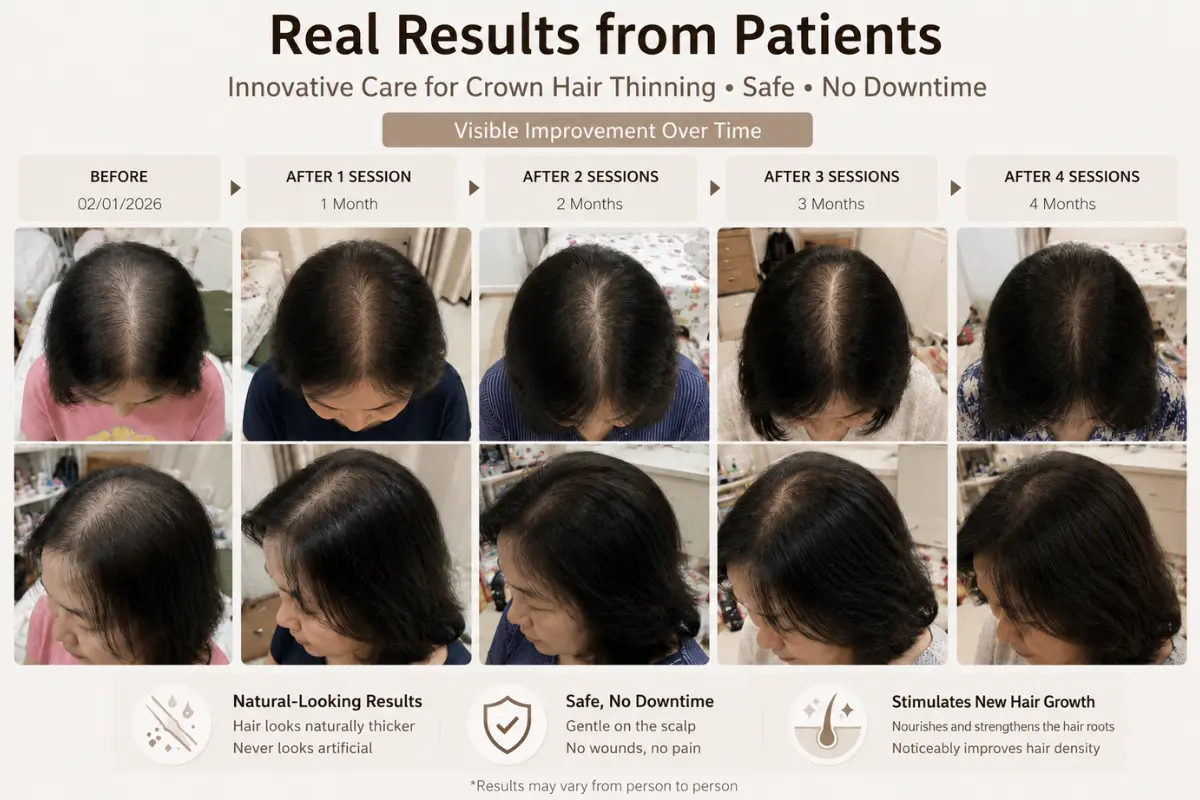
Conclusion: Female Hair Thinning May Begin With Subtle Signs That Are Easy to Overlook
Female hair thinning may gradually develop through subtle changes, such as a widening hair part, reduced hair volume, or decreasing hair density that often goes unnoticed at first. Understanding these early patterns may help provide better insight into factors that could be influencing overall hair health.
If you begin noticing ongoing changes in your hair appearance, assessing scalp and hair root health may offer additional context to better understand individual hair conditions over time.
For those interested in learning more about personalized approaches to supporting scalp and hair health, explore information about Hair Transformation at Linery Wellness, Thonglor, to understand individualized hair restoration approaches in greater detail.
Results may vary from person to person. Consulting a qualified medical professional is recommended to receive guidance tailored to individual needs.