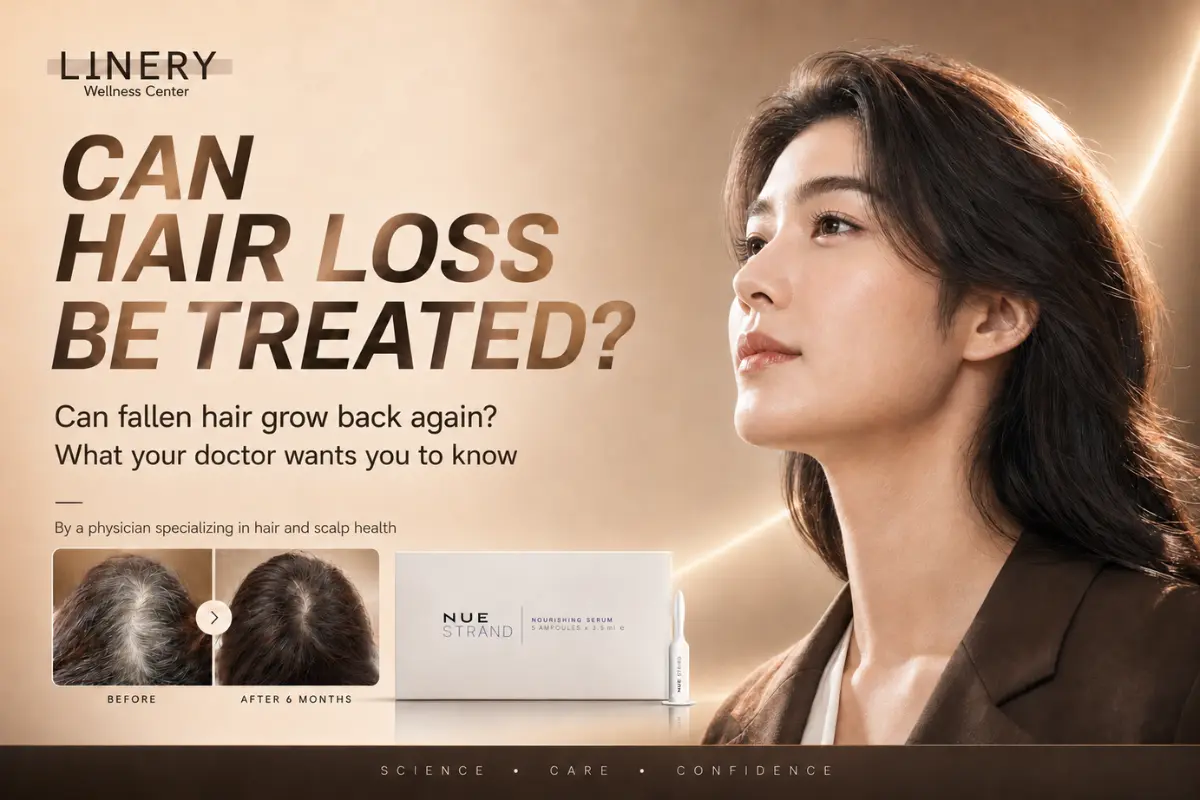
Can hair loss be treated? In some cases, hair loss may improve or recover depending on the underlying cause, the duration of the condition, and individual hair follicle health. Because hair loss can occur for many different reasons, there is no single answer that applies to everyone.
Many people become concerned when they notice increased hair shedding, a widening part line, or a gradual reduction in hair density. A common question is whether lost hair can grow back. In reality, the potential for hair recovery may vary depending on the type of hair loss and how long the condition has been present.
Understanding the causes of hair loss, the natural hair growth cycle, and factors related to hair follicle health may help individuals better understand their hair condition and make more informed decisions about long-term hair care.
30-Second Summary: Can Hair Loss Be Treated?
- Some types of hair loss may improve or recover depending on the underlying cause and hair follicle health.
- Hair loss associated with stress, hormonal changes, or nutritional factors may differ from progressive forms of hair loss.
- The duration of hair loss may influence the potential for hair recovery.
- Observing changes in hair density early may help individuals better understand their hair concerns.
- Scalp and hair follicle health are important components of long-term hair wellness.
Expert Insight: Many people worry that once hair is lost, it will never grow back. In practice, however, the potential for hair recovery varies from person to person and may depend on factors such as the cause of hair loss, how long it has been occurring, and the condition of the hair follicles. Recognizing changes early and understanding the nature of the problem may help support more personalized and appropriate hair care decisions.
Can Hair Loss Be Treated? The Answer Depends on Several Factors
Can hair loss be treated? Some types of hair loss may have the potential to improve or recover. However, the possibility of hair regrowth varies from person to person depending on the underlying cause, the duration of the condition, and the health of the hair follicles. Many people worry that once hair is lost, it may never grow back. In reality, hair loss can occur for many different reasons, and the pattern of hair loss may vary significantly among individuals. Understanding the factors associated with hair loss may help provide a clearer picture of recovery potential and support more informed decisions regarding hair care.How Does the Cause of Hair Loss Affect Recovery Potential?
Hair loss may be associated with a variety of factors, including stress, hormonal changes, nutritional status, genetics, and other health-related conditions. Because the causes of hair loss can differ, the potential for hair recovery may also vary. Some forms of hair loss may be temporary, while others may progress gradually over time. Identifying factors associated with hair loss at an early stage may help individuals better understand appropriate hair care approaches.Does the Duration of Hair Loss Affect Recovery?
The length of time a person has been experiencing hair loss is another important consideration. Many individuals begin to notice visible changes only after experiencing ongoing hair shedding for several months. In some cases, recognizing changes in hair density early may help identify patterns sooner and support more timely hair care decisions. If hair loss continues for an extended period or hair density decreases noticeably, further assessment of hair follicle health may provide additional insights.How Does Hair Follicle Health Relate to Hair Regrowth?
Hair follicles and the scalp form the environment in which hair grows. The condition of the hair follicles may therefore play a role in long-term changes in hair growth and density. Maintaining scalp health and regularly observing changes in hair condition may help individuals better understand their overall hair health. In some situations, a detailed assessment of hair follicle health may provide additional information about hair density, scalp condition, and factors related to individual hair wellness.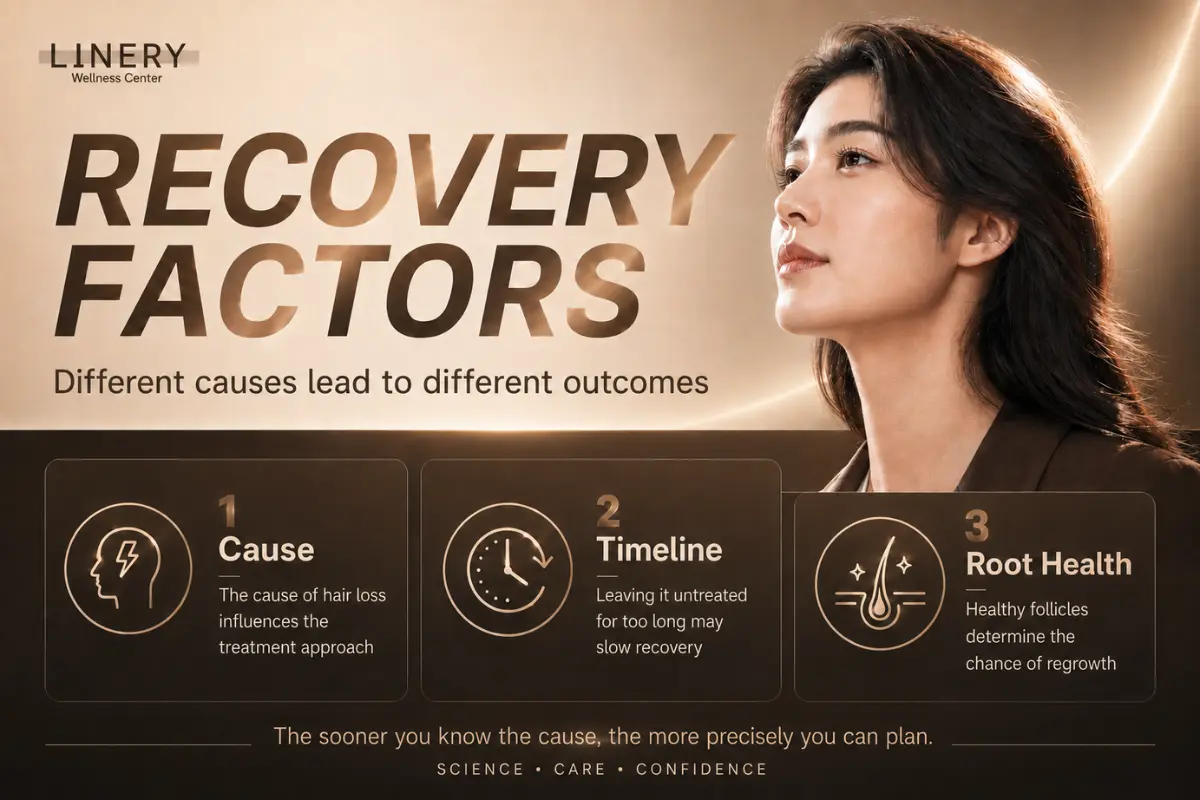
What Types of Hair Loss May Have the Potential to Recover?
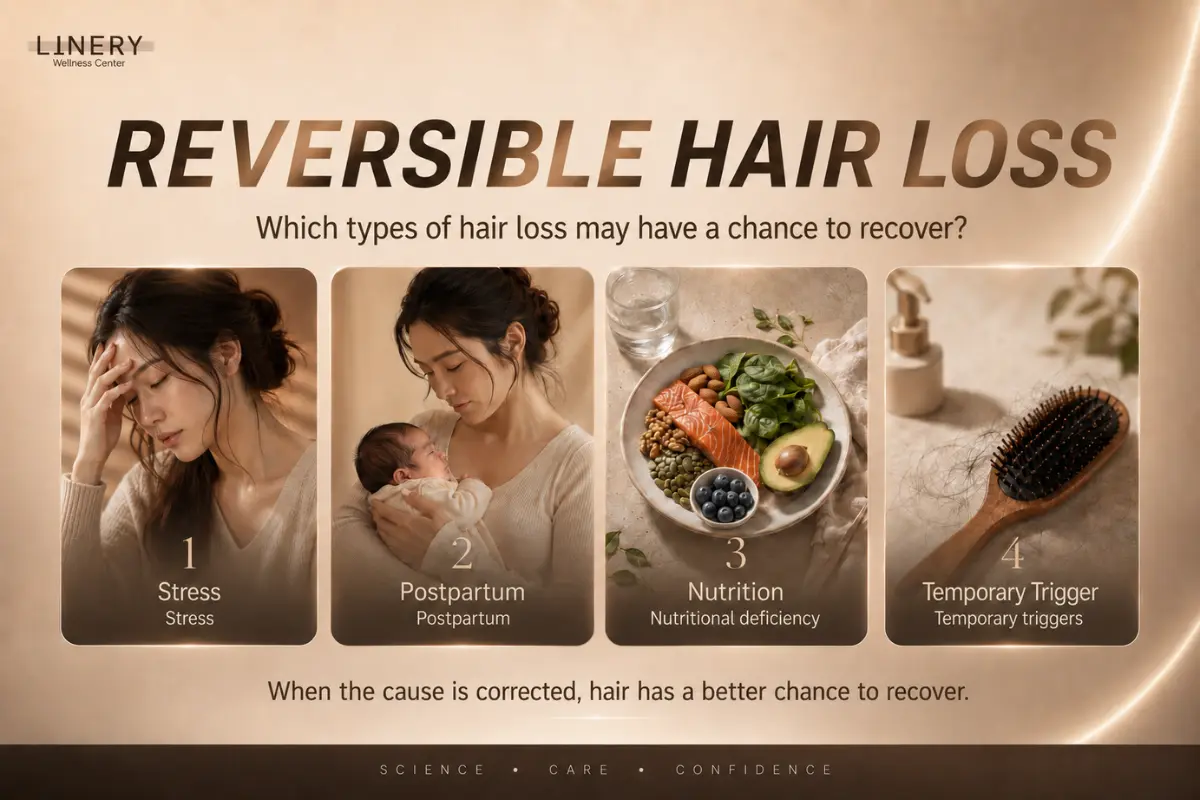 Some types of hair loss may have the potential to improve or recover when contributing factors are appropriately addressed. However, the possibility of hair regrowth varies among individuals and largely depends on the underlying cause of hair loss.
Experiencing hair loss does not necessarily mean that hair will never grow back. In some cases, when underlying factors improve or are properly managed, hair may gradually return to its natural growth cycle.
Some types of hair loss may have the potential to improve or recover when contributing factors are appropriately addressed. However, the possibility of hair regrowth varies among individuals and largely depends on the underlying cause of hair loss.
Experiencing hair loss does not necessarily mean that hair will never grow back. In some cases, when underlying factors improve or are properly managed, hair may gradually return to its natural growth cycle.
Hair Loss Associated with Stress
Physical and emotional stress may affect the natural hair growth cycle, leading some individuals to notice increased hair shedding after periods of prolonged stress or major life events. In many cases, hair may gradually return to its normal growth cycle once stress-related factors improve. However, the recovery timeline can vary from person to person.Postpartum Hair Loss
Many women experience increased hair shedding after childbirth, which is often associated with hormonal changes following pregnancy. This type of hair loss is commonly temporary, and hair may gradually return to its previous condition as the body regains hormonal balance. Recovery time, however, differs among individuals.Hair Loss Related to Nutritional Factors
Hair health is influenced by various nutrients. Long-term inadequate nutrition may affect the natural hair growth cycle and contribute to increased shedding. When nutritional status is appropriately addressed, some individuals may observe gradual changes in hair condition over time. Responses can vary depending on overall health and individual circumstances.Hair Loss Associated with Other Temporary Factors
Hair shedding may sometimes occur in response to temporary factors such as illness, insufficient sleep, rapid weight loss, or other physical changes. As these factors improve or resolve, hair may gradually return to its normal growth cycle. However, if hair loss continues for an extended period or a noticeable reduction in hair density occurs, further assessment of hair follicle health may provide a better understanding of individual hair conditions.What Types of Hair Loss May Require Further Evaluation?
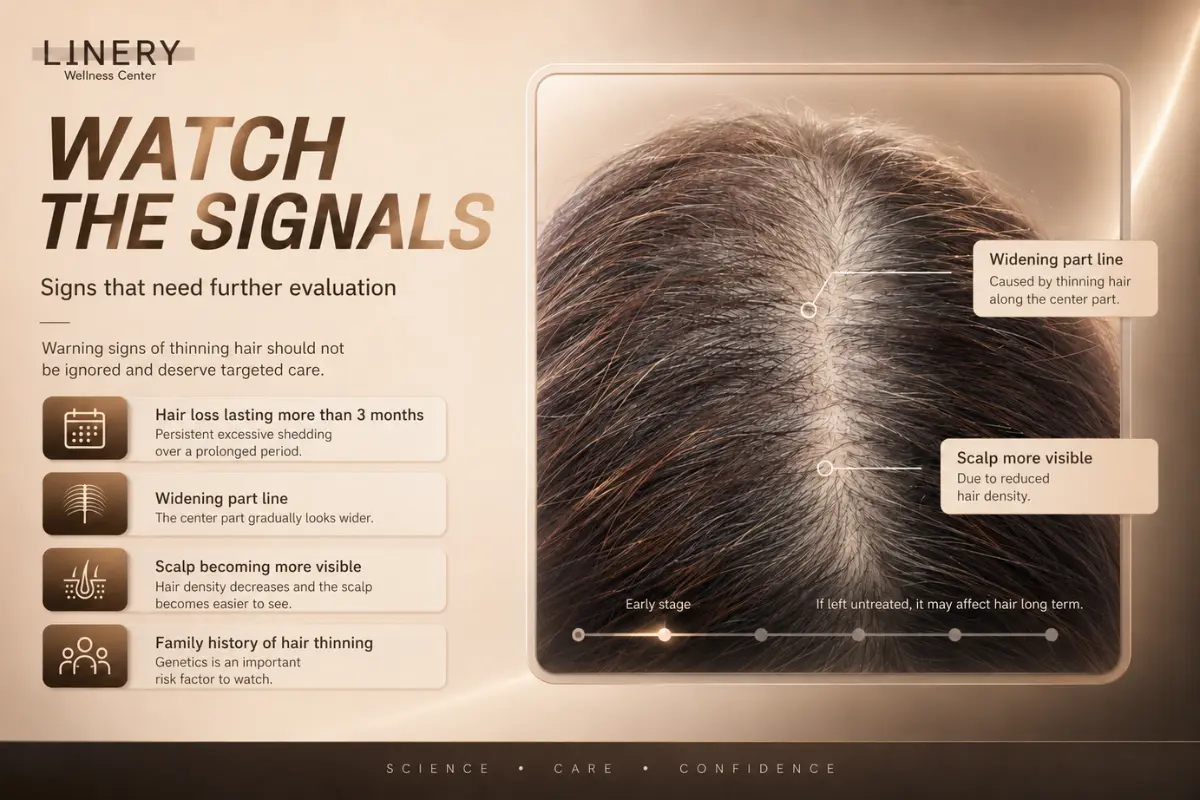 Although some forms of hair loss may be temporary, ongoing hair shedding or noticeable changes in hair density may warrant further evaluation to better understand the factors involved.
Many people consider hair shedding a normal part of daily life and expect hair to return to its previous condition naturally. However, when changes continue over time, paying attention to early signs may be beneficial for long-term hair care.
Although some forms of hair loss may be temporary, ongoing hair shedding or noticeable changes in hair density may warrant further evaluation to better understand the factors involved.
Many people consider hair shedding a normal part of daily life and expect hair to return to its previous condition naturally. However, when changes continue over time, paying attention to early signs may be beneficial for long-term hair care.
Ongoing Hair Loss Over an Extended Period
Hair naturally goes through cycles of shedding and regrowth. However, if excessive hair shedding continues for several months, it may be worth monitoring more closely. Keeping track of changes, such as the amount of hair shedding or when symptoms first appeared, may help identify patterns over time.A Widening Part Line or Reduced Hair Density
Some individuals may not notice increased shedding but instead observe that their part line appears wider, hair feels thinner, or the scalp becomes more visible. Changes in hair density are important to monitor because they may reflect long-term changes in overall hair health.A Family History of Thinning Hair
Genetics may play a role in hair characteristics and the likelihood of developing certain types of hair thinning. If there is a family history of ongoing hair thinning or hair loss, regularly observing changes in your own hair may help provide a better understanding of potential trends.Increasing Scalp Visibility Over Time
Gradually seeing more of the scalp—whether along the part line, crown area, or hairline—may be another sign worth paying attention to. Taking comparison photographs over time may help individuals monitor changes more objectively and observe long-term trends in hair density.Can Lost Hair Grow Back?
Whether lost hair can grow back depends on several factors, including the cause of hair loss, the health of the hair follicles, and how long the condition has been present. Because hair follows a natural growth cycle, changes in hair density often occur gradually over time. Many people become concerned when they notice increased shedding and wonder whether the hair they have lost will return. In reality, the potential for hair regrowth varies from person to person. Understanding the natural hair growth cycle and the time involved in this process may help provide a clearer perspective on changes in hair condition.What Is the Hair Growth Cycle?
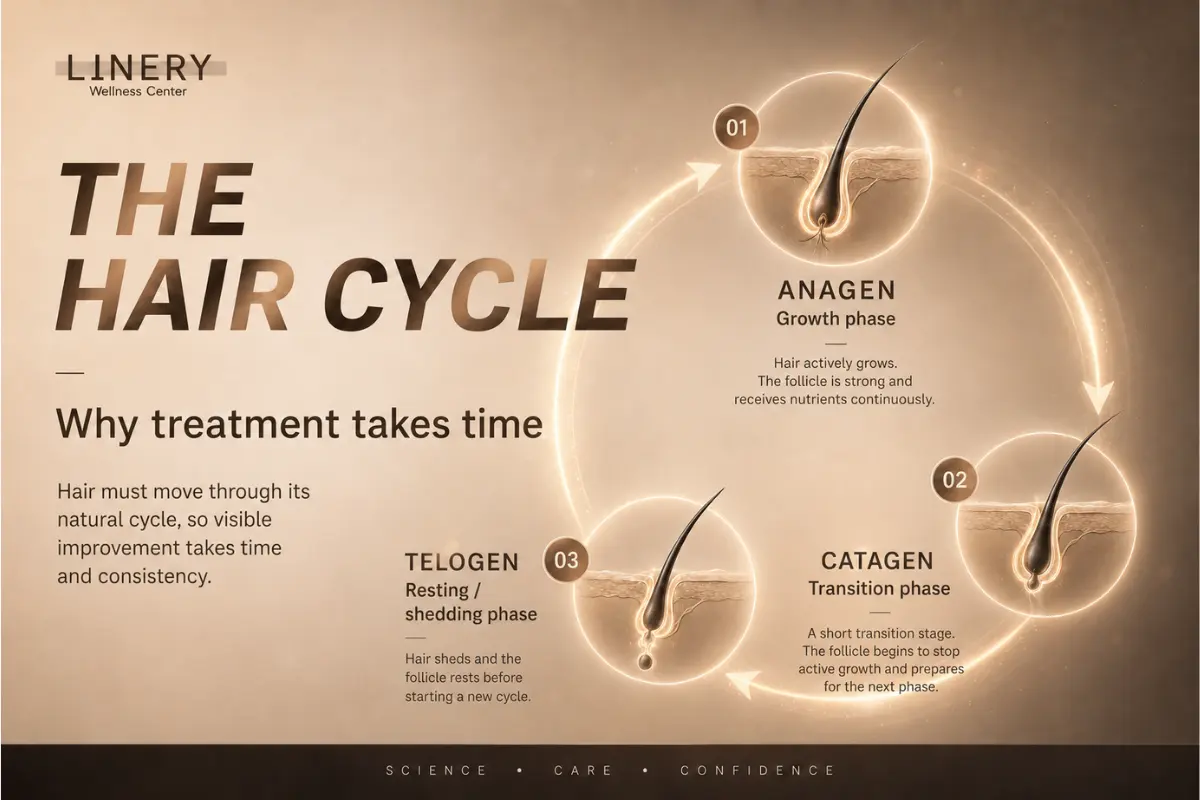 Every hair strand goes through a natural growth cycle consisting of growth, resting, and shedding phases.
At any given time, individual hairs may be in different stages of this cycle, which is why daily hair shedding is considered normal.
When the normal hair growth cycle is influenced by certain factors, noticeable changes in hair density may occur.
Every hair strand goes through a natural growth cycle consisting of growth, resting, and shedding phases.
At any given time, individual hairs may be in different stages of this cycle, which is why daily hair shedding is considered normal.
When the normal hair growth cycle is influenced by certain factors, noticeable changes in hair density may occur.
Why Does Hair Recovery Take Time?
Changes in hair condition do not usually happen immediately because hair growth follows a gradual biological process. Even when contributing factors have improved, hair may still require time to return to its normal growth cycle. For this reason, many individuals may not notice visible changes shortly after beginning a hair care routine.Hair Recovery Timelines May Vary Among Individuals
The rate at which hair changes occur can vary considerably from person to person depending on factors such as age, overall health, hair characteristics, and scalp condition. Some individuals may notice changes sooner, while others may require a longer period of observation. Comparing your hair with that of others may not accurately reflect your own situation, as many factors related to hair health differ between individuals.Does the Duration of Hair Loss Affect the Potential for Recovery?
The length of time a person has been experiencing hair loss may be one of the factors associated with the potential for hair recovery. Recognizing changes in hair condition early may help individuals better understand the progression of the issue and make informed hair care decisions. Many people prefer to wait and observe because they believe hair shedding is temporary and may improve on its own. However, when hair loss continues for an extended period or is accompanied by noticeable changes in hair density, closer observation may be beneficial.Why Is Early Observation Important?
In the early stages, some individuals may notice more hair on their pillow, increased shedding while washing their hair, or subtle thinning that is not yet clearly visible. Although these changes may seem minor, monitoring them early may help identify patterns and trends sooner. Taking periodic photographs of the hair part line or hairline may also help track changes in hair density over time.What Should You Observe If Hair Loss Continues for Several Months?
If hair loss persists for months, it may be helpful to observe additional changes, such as widening of the part line, reduced hair density, or increased scalp visibility. Some individuals may not experience excessive daily shedding but may gradually notice that their overall hair volume appears reduced, making the hair look flatter or more difficult to style. Regular observation of these changes may provide a clearer understanding of overall hair health and support long-term care planning.When Should You Consider a Hair Follicle Assessment?
If hair loss continues over a prolonged period, hair density decreases, or you are uncertain about the factors associated with your hair loss, a hair follicle assessment may provide additional insights. A detailed assessment may help evaluate hair density, scalp condition, and patterns of hair changes, offering useful information for long-term hair care planning. For individuals seeking a deeper understanding of their hair and scalp health, professional evaluation of the hair follicles and scalp may provide a clearer picture of individual hair concerns and support more personalized care decisions.How Does Hair Follicle Health Affect Hair Recovery?
Hair follicle and scalp health are among the factors associated with hair growth. Although hair loss may occur for various reasons, understanding the condition of the hair follicles may provide valuable insights into overall hair health and long-term changes in hair density. Many people focus primarily on visible hair changes. In reality, hair follicles and the scalp play important roles in the natural hair growth cycle. Regularly observing scalp condition and hair density may help individuals recognize changes in hair health at an earlier stage.What Role Do Hair Follicles and the Scalp Environment Play?
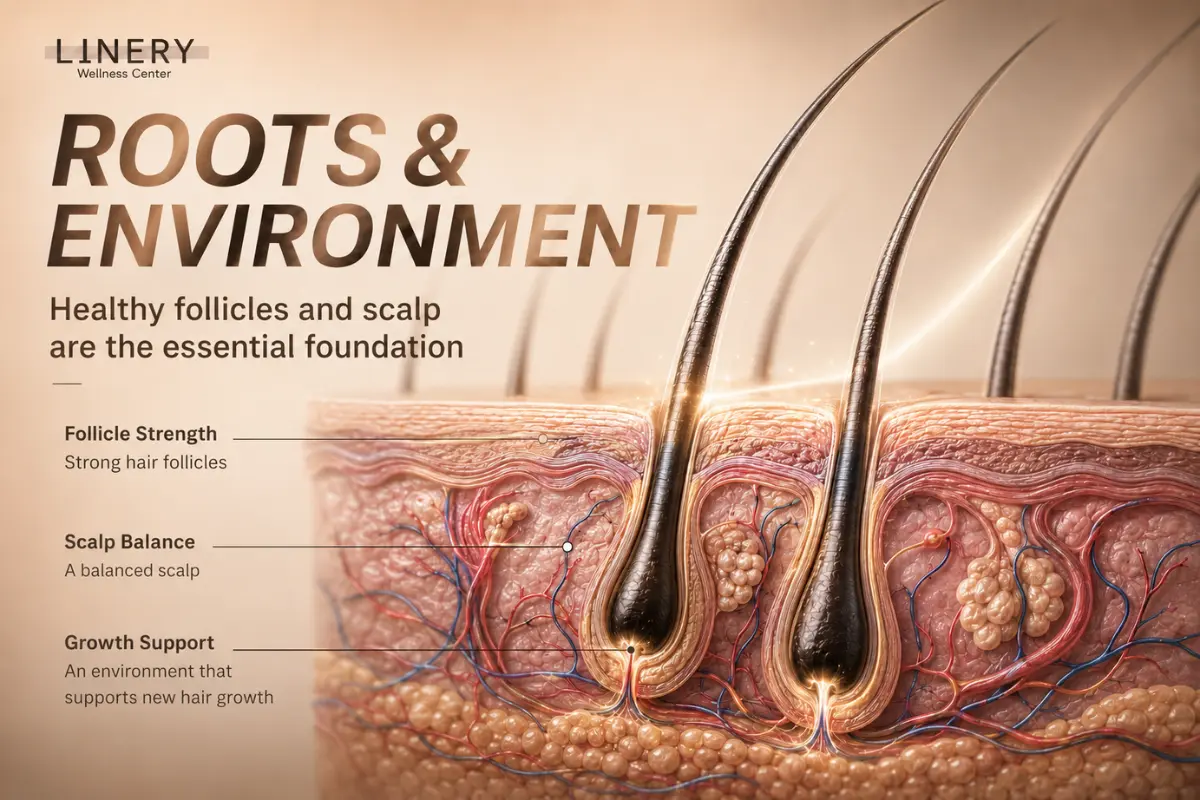 Hair follicles are the structures where hair grows, while the scalp provides the environment that supports long-term hair health.
Factors such as scalp balance, oil production, dryness, or irritation may influence the condition of the scalp and hair follicles.
Maintaining a healthy scalp environment is therefore an important aspect of overall hair care.
Hair follicles are the structures where hair grows, while the scalp provides the environment that supports long-term hair health.
Factors such as scalp balance, oil production, dryness, or irritation may influence the condition of the scalp and hair follicles.
Maintaining a healthy scalp environment is therefore an important aspect of overall hair care.
Can Hair Density Change Over Time?
Hair density can change over time due to factors such as age, genetics, hormones, lifestyle habits, and overall health. Some individuals may notice that their hair appears flatter, their part line becomes wider, or their scalp becomes more visible even without experiencing excessive shedding. Monitoring changes in hair density over time may provide useful insights into overall hair health.How Can Hair Follicle Assessment Provide Additional Insights?
 In some situations, self-observation alone may not provide enough information to fully understand changes in hair condition.
A detailed evaluation of the hair follicles and scalp may help assess hair density, scalp characteristics, and patterns of hair changes.
For individuals experiencing ongoing hair shedding, thinning hair, or uncertainty about the factors involved, professional hair follicle assessment may provide a clearer understanding of their hair condition.
At Linery Wellness in Thonglor, the Hair Transformation program focuses on personalized hair follicle and scalp assessment to help identify factors related to hair health and support individualized hair care planning.
In some situations, self-observation alone may not provide enough information to fully understand changes in hair condition.
A detailed evaluation of the hair follicles and scalp may help assess hair density, scalp characteristics, and patterns of hair changes.
For individuals experiencing ongoing hair shedding, thinning hair, or uncertainty about the factors involved, professional hair follicle assessment may provide a clearer understanding of their hair condition.
At Linery Wellness in Thonglor, the Hair Transformation program focuses on personalized hair follicle and scalp assessment to help identify factors related to hair health and support individualized hair care planning.
How Should You Care for Yourself When You First Notice Hair Loss?
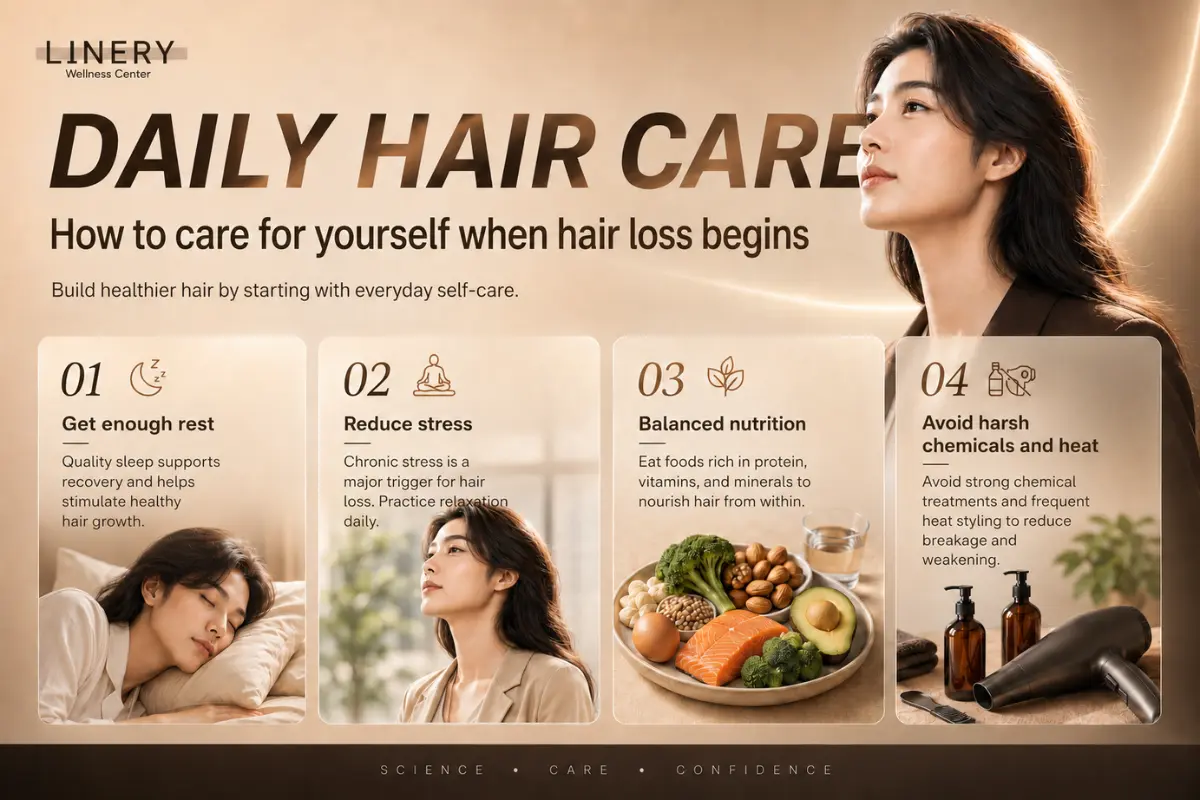 When you first notice increased hair shedding, early self-care may help you better understand factors related to your hair health. Although hair loss can occur for many reasons, maintaining overall wellness and scalp health remains important.
Many people become concerned when they experience increased hair shedding. In some cases, however, adjusting daily habits and monitoring changes over time may help provide a clearer understanding of hair-related concerns.
When you first notice increased hair shedding, early self-care may help you better understand factors related to your hair health. Although hair loss can occur for many reasons, maintaining overall wellness and scalp health remains important.
Many people become concerned when they experience increased hair shedding. In some cases, however, adjusting daily habits and monitoring changes over time may help provide a clearer understanding of hair-related concerns.
Maintain Proper Scalp Care
The scalp is where hair follicles are located and serves as the environment that supports hair growth. Keeping the scalp clean and caring for it according to individual scalp needs is important. Choosing hair care products that suit your scalp type and avoiding excessive scratching or aggressive rubbing may help minimize irritation and support long-term scalp health.Prioritize Rest and Stress Management
Stress and insufficient sleep may be associated with changes in the hair growth cycle in some individuals. Getting adequate rest, managing stress, and supporting emotional well-being may all contribute to long-term hair wellness. Although improvements may not occur immediately, maintaining healthy lifestyle habits can benefit overall health.Support Hair Health Through Nutrition and General Wellness
Hair growth depends on various nutrients. Eating a balanced and diverse diet may help support healthy hair. In addition, maintaining overall health through regular physical activity and appropriate health check-ups may contribute to long-term hair wellness.Avoid Habits That May Affect Hair Health
Certain daily habits may negatively affect hair health without people realizing it. Examples include wearing tight hairstyles for prolonged periods, excessive heat styling, or frequent chemical treatments without allowing adequate recovery time. Reviewing personal hair care habits and making appropriate adjustments may help reduce factors that could affect hair condition. If hair shedding continues despite appropriate self-care, or if hair density continues to decrease, further evaluation of hair follicle health may provide additional insight and help guide more personalized care decisions.FAQ: Can Hair Loss Be Treated?
Can Hair Loss Go Away on Its Own?
Some types of hair loss may improve on their own, particularly when they are temporary and the contributing factors have changed or resolved. However, because hair loss can occur for many different reasons, not all cases will resolve naturally. If hair shedding continues for an extended period or noticeable changes in hair density occur, monitoring these changes may help provide a better understanding of the condition.Will Lost Hair Grow Back in Every Case?
Not necessarily. The potential for hair regrowth may vary depending on the underlying cause, the duration of hair loss, and the health of the hair follicles. In some situations, hair may gradually return to its normal growth cycle, while other cases may require further evaluation to better understand the factors involved.Can Hair Recover After Long-Term Hair Loss?
Even when hair loss has been present for a long time, the potential for recovery may vary among individuals. Factors such as the cause of hair loss, duration of the condition, follicle health, and scalp characteristics may all play a role. Additional assessment may help provide a clearer understanding of individual hair conditions.Can Genetic Hair Loss Be Treated?
Genetics may contribute to hair thinning and hair loss in some individuals. However, the pattern and severity of hair loss can vary significantly from person to person. If there is a family history of hair thinning and noticeable changes in hair density begin to appear, ongoing observation may help individuals better understand their hair condition.How Long Should I Monitor Hair Loss Before Seeking Professional Advice?
If hair loss continues for several months, hair density decreases, the part line becomes wider, or the scalp becomes increasingly visible, additional hair and scalp assessment may be worth considering. Early evaluation may help identify factors related to hair health and support more personalized long-term care planning.Conclusion: Can Hair Loss Be Treated? It Depends on the Cause and Duration
 Can hair loss be treated? Some types of hair loss may have the potential to improve or recover. However, the possibility of hair regrowth varies from person to person and depends on factors such as the underlying cause, the duration of the condition, and the health of the hair follicles.
Hair loss does not occur in the same way for everyone. Some individuals may experience hair shedding related to stress, hormonal changes, or nutritional factors, while others may notice a gradual reduction in hair density over time.
Recognizing changes in hair condition early and understanding the factors related to hair health may help individuals make more informed decisions about long-term hair care.
If you notice ongoing hair shedding, a widening part line, or a noticeable decrease in hair density, evaluating hair follicle and scalp health may provide a clearer understanding of your individual hair condition.
For those interested in learning more about personalized hair and scalp care, the Hair Transformation program at Linery Wellness in Thonglor offers individualized hair follicle and scalp assessments to support long-term hair wellness.
Results may vary from person to person. Consultation with a qualified healthcare professional is recommended for personalized guidance.
Can hair loss be treated? Some types of hair loss may have the potential to improve or recover. However, the possibility of hair regrowth varies from person to person and depends on factors such as the underlying cause, the duration of the condition, and the health of the hair follicles.
Hair loss does not occur in the same way for everyone. Some individuals may experience hair shedding related to stress, hormonal changes, or nutritional factors, while others may notice a gradual reduction in hair density over time.
Recognizing changes in hair condition early and understanding the factors related to hair health may help individuals make more informed decisions about long-term hair care.
If you notice ongoing hair shedding, a widening part line, or a noticeable decrease in hair density, evaluating hair follicle and scalp health may provide a clearer understanding of your individual hair condition.
For those interested in learning more about personalized hair and scalp care, the Hair Transformation program at Linery Wellness in Thonglor offers individualized hair follicle and scalp assessments to support long-term hair wellness.
Results may vary from person to person. Consultation with a qualified healthcare professional is recommended for personalized guidance.
อ้างอิง
- AAD: Hair loss
- MedlinePlus (NIH): Hair loss
- NHS: Hair loss
- StatPearls: Androgenetic Alopecia