What Is Crown Hair Thinning? How Is It Different From General Hair Shedding?
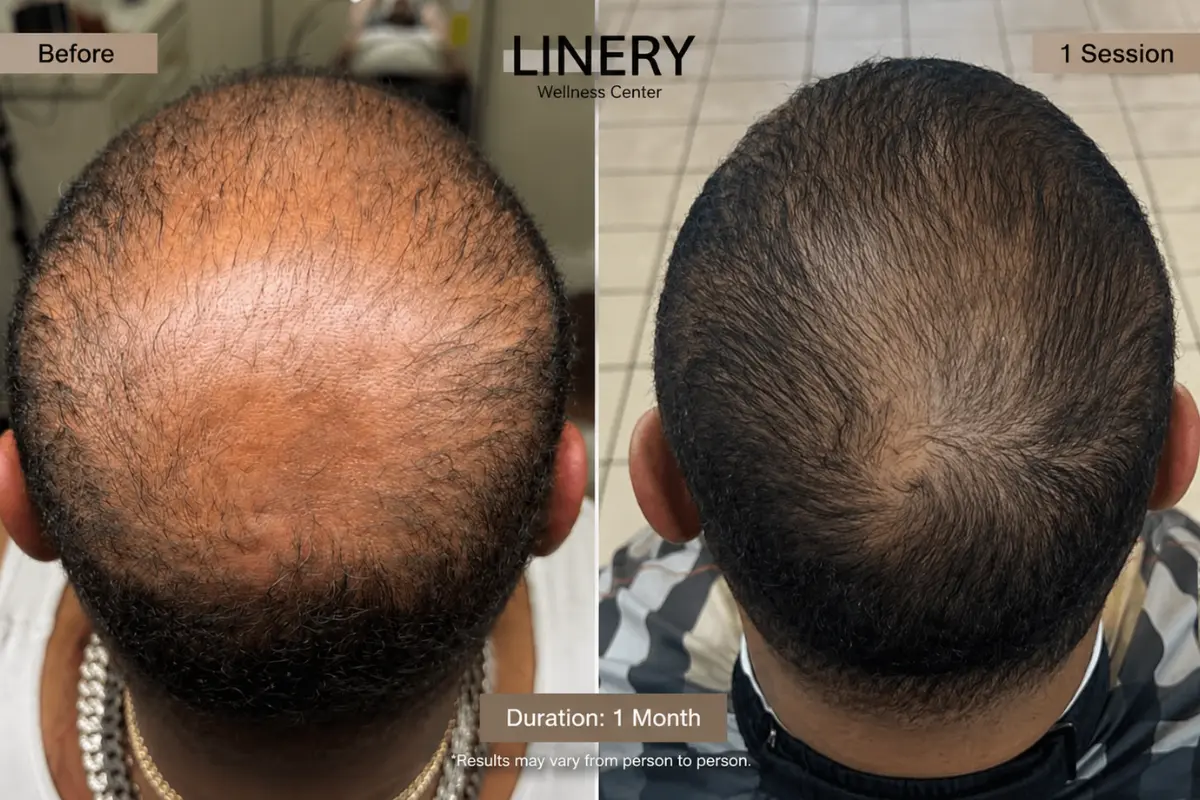
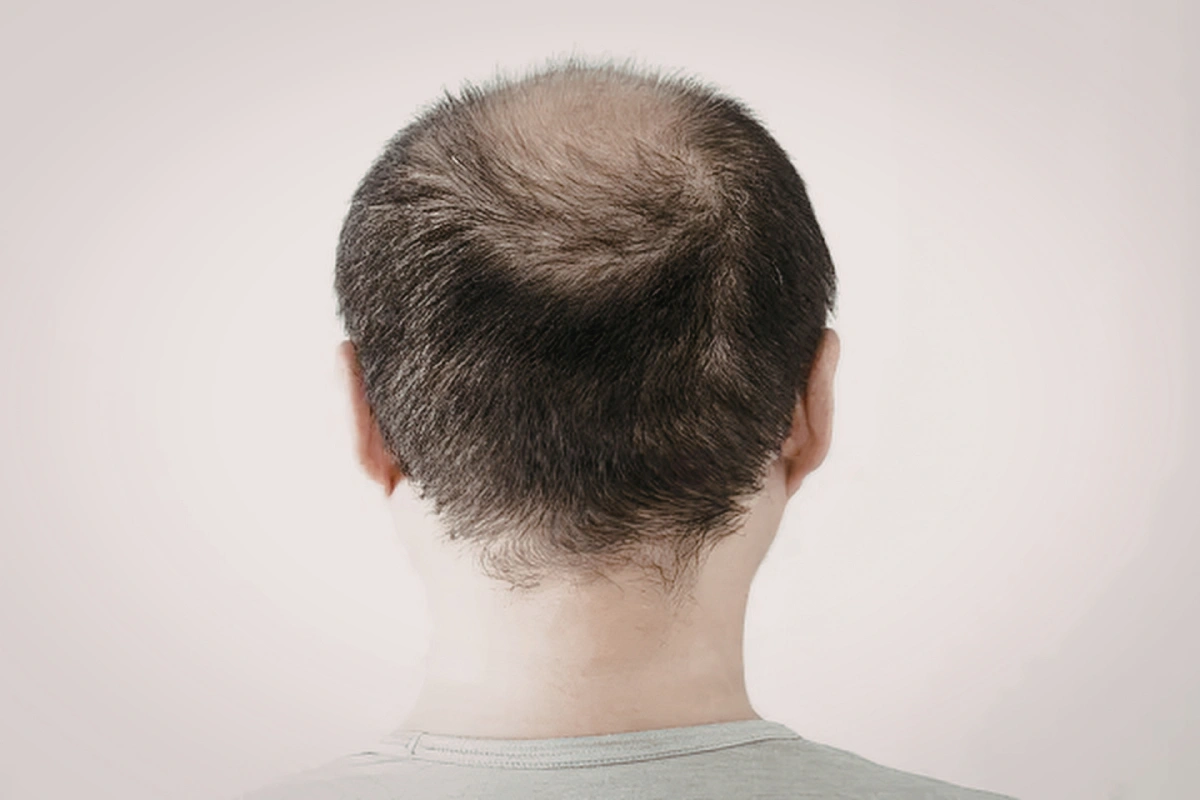
Crown hair thinning does not always mean excessive hair shedding. Instead, it refers to reduced hair density around the middle of the scalp or crown area, making the scalp more visible over time.
While general hair shedding focuses on the amount of hair falling out, crown thinning relates more to changes in hair density and overall fullness. Some individuals may notice thinning even when daily hair shedding does not seem unusual.
This difference means early signs can be easy to overlook, as changes often happen gradually before becoming more noticeable in hairstyles or scalp visibility.
Crown Hair Thinning vs Hair Shedding: What’s the Difference?
| Crown Hair Thinning | General Hair Shedding |
|---|---|
| Reduced hair density in a specific area | Increased amount of hair fall |
| Often noticed through a wider part or visible scalp | Often noticed on pillows, brushes, or floors |
| May develop gradually over time | Can be temporary and improve naturally |
| Focuses on thinning appearance | Focuses on hair shedding volume |
Early Signs of Crown Hair Thinning: What Should You Look For?
Early-stage crown hair thinning does not always begin with obvious scalp visibility. In many cases, subtle changes develop gradually over time and may go unnoticed at first.
Changes in hair part width, overall hair density, or styling patterns can sometimes be early indicators, especially when the changes continue over several months.
A Wider Hair Part Than Usual
If your hair part appears wider than before or continues to expand over time, it may reflect reduced hair density around the crown area.
Comparing older photos under similar lighting conditions may help identify gradual changes more clearly.
Increased Scalp Visibility Under Light
Some people first notice scalp visibility under bright lighting or in photos taken from above, even before they feel their hair has become significantly thinner.
Reduced Hair Volume Around the Crown
When tying or styling hair, reduced fullness around the middle of the scalp may become more noticeable, even without a significant increase in daily hair shedding.
Hair Feels Flatter or Harder to Style
Early changes may appear as flatter hair, reduced volume, or difficulty maintaining previous hairstyles rather than obvious thinning.
Quick Self-Check: You May Be Experiencing Crown Hair Thinning If You Notice Several Signs
- A wider hair part than before
- Increased scalp visibility under light
- Reduced fullness when tying or styling hair
- Hair appears flatter or harder to style
- Changes continue over several months
Is Crown Hair Thinning Different in Women and Men?
Crown hair thinning can occur in both women and men, but the pattern and appearance may differ. Changes in hair density, thinning location, and progression can vary depending on multiple factors.
In some cases, women first notice widening of the hair part, while men may become aware of thinning around the crown area. However, individual patterns can differ significantly.
Crown Hair Thinning in Women
Women often notice reduced hair density around the center of the scalp, leading to a wider hair part or reduced fullness when tying or styling hair.
The change may develop gradually, and some individuals notice thinning without a significant increase in visible hair shedding.
For more information, see the article: Female Hair Thinning
Crown Hair Thinning in Men
Men may first notice thinning around the crown or increased scalp visibility when viewed from above.
In some cases, changes occur alongside shifts in the hairline, while others experience localized thinning first.
Common Differences
| Women | Men |
|---|---|
| Often begins with a wider hair part | Often begins around the crown area |
| Thinning may appear more diffuse | Thinning may appear more localized |
| Increased shedding is not always obvious | Scalp visibility may become noticeable earlier |
| Changes often develop gradually | Patterns may become more defined over time |
What Factors May Be Associated With Crown Hair Thinning?
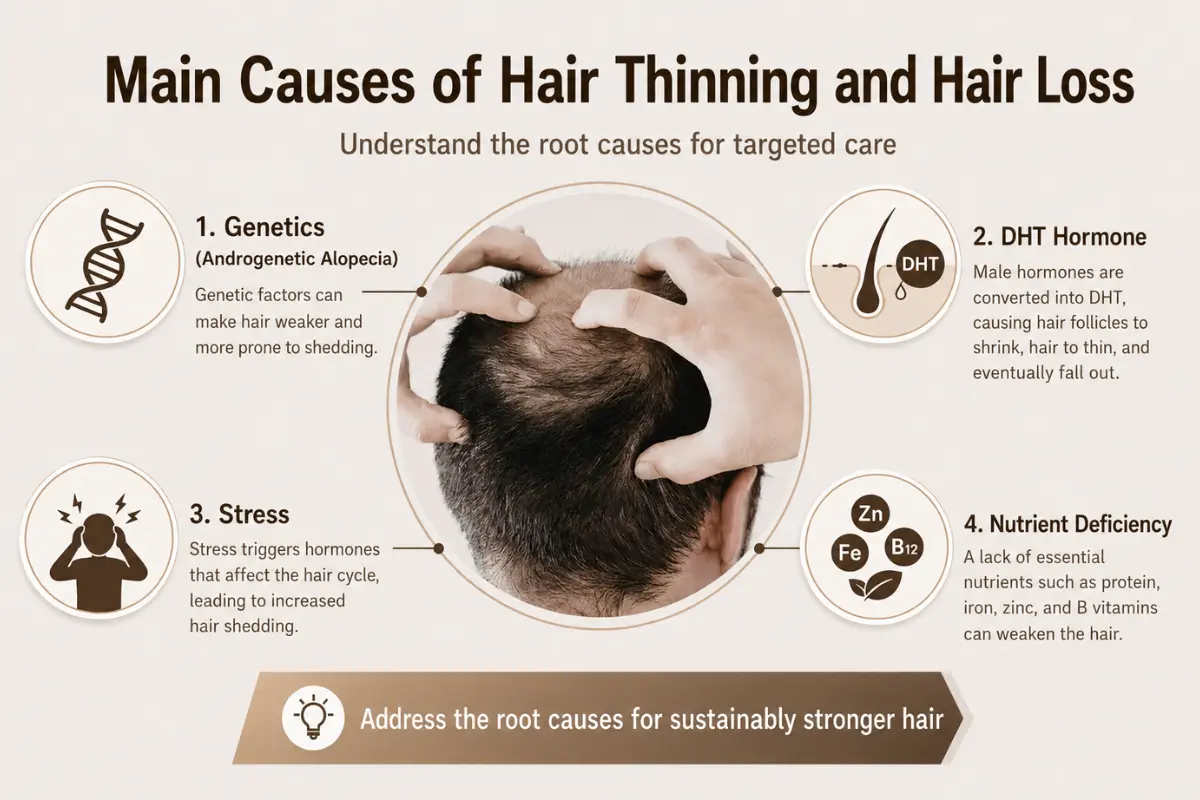
Crown hair thinning may be linked to multiple factors, and the underlying cause can vary between individuals. Some people notice changes with age, while others experience thinning without a previous history of hair concerns.
Hair thinning around the crown does not always point to a single cause. Observing patterns, duration, and accompanying changes may help provide better context.
Hormonal Changes
Hormones can influence the hair growth cycle, and changes during certain life stages may affect hair density in some individuals.
Examples may include aging, postpartum changes, or other physiological transitions.
Aging
As people age, the hair growth cycle may change, potentially leading to reduced density or slower recovery of hair growth.
These changes often develop gradually over time.
Genetics
Some individuals may have a family history associated with thinning patterns, although the timing and appearance can vary significantly.
A family history does not necessarily mean the same pattern will occur in everyone.
Stress or Physical Changes
Chronic stress, insufficient rest, or major physical changes may be associated with changes in hair appearance in some cases.
However, the impact can vary depending on multiple contributing factors.

When Should Crown Hair Thinning Be Evaluated Further?
Gradual crown hair thinning is not always unusual. However, if changes occur quickly or significantly affect hair density, further evaluation may help provide better understanding of the pattern.
Observing associated changes such as widening of the hair part, increased scalp visibility, or timing of progression may offer useful context.
Increased Scalp Visibility Over Time
If the scalp becomes increasingly visible despite maintaining similar hair care habits, it may indicate ongoing changes in hair density.
Thinning Alongside Increased Hair Shedding
Experiencing visible thinning together with increased shedding may be another pattern worth observing.
Rapid Changes Within a Short Period
Noticeable changes over only a few months may warrant closer monitoring.
Concerns About Hair Changes Affecting Confidence
Even subtle changes may affect confidence or daily routines, leading some individuals to seek further evaluation.
How Can Hair and Scalp Evaluation Help?
Hair and scalp evaluation aims to better understand hair density, scalp condition, and patterns of change over time. Similar-looking symptoms may have different underlying patterns between individuals.
Early assessment may support better tracking of changes and help identify suitable approaches for ongoing hair care.
Evaluating Hair Density
Assessing density across different areas may help distinguish localized thinning from overall changes.
Observing Hair Loss Patterns
Patterns such as crown thinning or diffuse thinning may provide additional context.
Monitoring Changes Over Time
Tracking changes consistently may help identify whether progression is gradual or more noticeable over shorter periods.
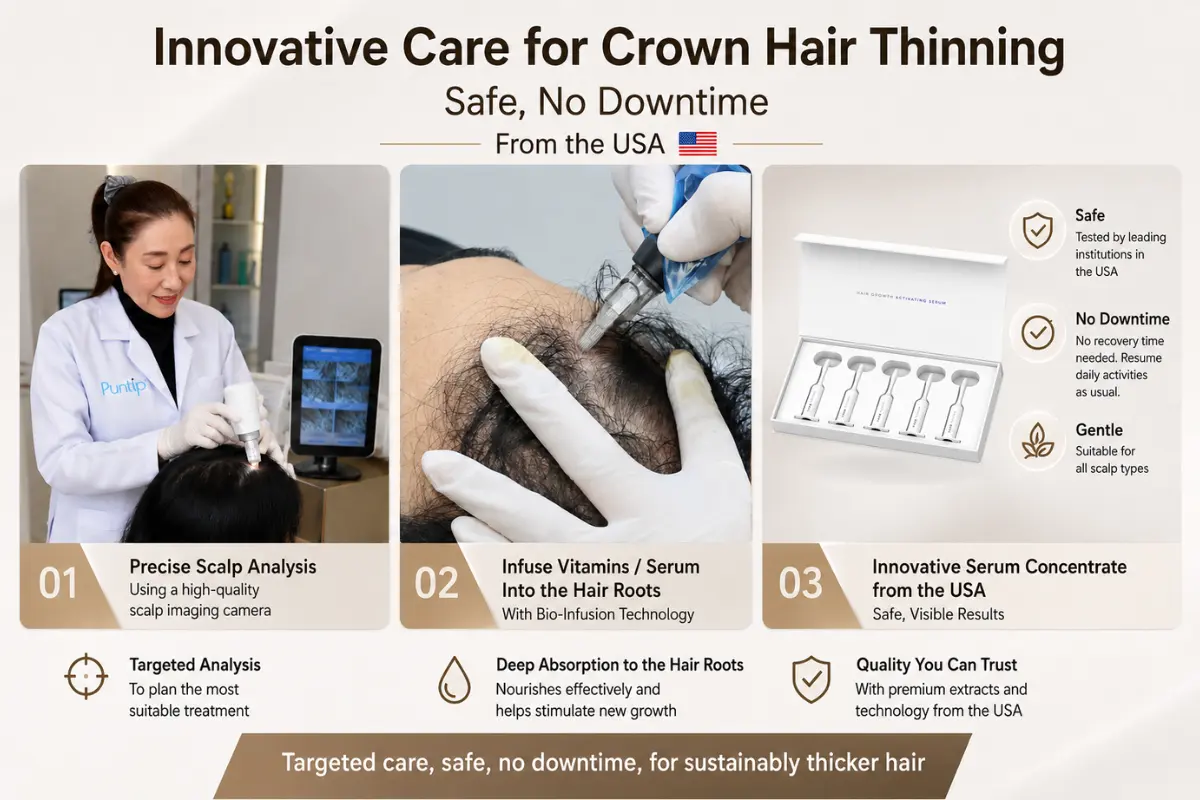
If You Notice Crown Hair Thinning, What Should You Do First?
When you first notice thinning around the crown area, the most important step may not be choosing a solution immediately, but observing how your hair changes over time.
Understanding how long thinning has occurred, whether changes are gradual or rapid, and whether other factors are involved may provide better context.
Start by Tracking Changes
Taking comparison photos or observing changes in hair part width over time may help identify patterns more clearly.
Support Overall Health
Sleep quality, stress levels, lifestyle habits, and nutrition may be associated with hair appearance in some individuals.
Avoid Trying Multiple Products at Once
Testing many approaches simultaneously may make it harder to recognize meaningful changes.
Consider Further Evaluation if Changes Continue
If thinning becomes more noticeable or affects confidence, additional assessment may help provide more insight.
Frequently Asked Questions About Crown Hair Thinning
Is Crown Hair Thinning Caused by Aging Alone?
Aging may be one contributing factor, but crown hair thinning can also be associated with hormonal changes, genetics, and other individual factors. Hair thinning patterns vary between people.
Can Women Experience Crown Hair Thinning?
Yes. Some women notice widening of the hair part or gradual reduction in hair density around the center of the scalp.
Is Crown Hair Thinning the Same as Baldness?
Not necessarily. Crown thinning refers to reduced hair density, while baldness may involve different patterns of hair loss.
Can Crown Hair Thinning Improve Over Time?
Hair changes vary between individuals, and outcomes may depend on multiple factors.
When Should Someone Seek Professional Evaluation?
If changes continue over time, scalp visibility increases, or thinning affects confidence, further assessment may help provide additional understanding.
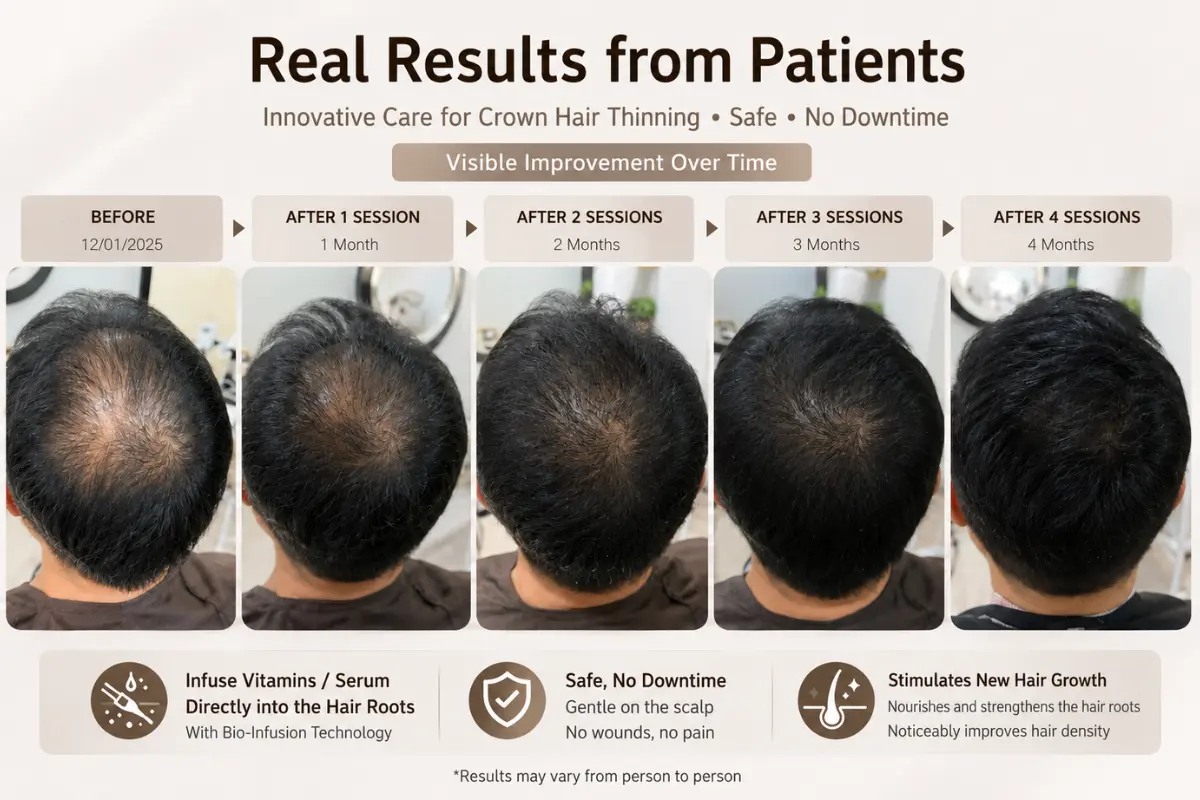
Conclusion
Changes around the crown area may develop gradually and become noticeable through differences in hair density, part width, or overall styling. Although early signs can be subtle, observing changes over time may help identify patterns sooner.
Because hair thinning patterns vary between individuals, understanding these changes may support more informed long-term hair care decisions.
For those interested in learning more about personalized approaches to supporting scalp and hair health, explore information about Hair Transformation at Linery Wellness, Thonglor, to understand individualized hair restoration approaches in greater detail.
Results may vary from person to person. Consulting a qualified medical professional is recommended to receive guidance tailored to individual needs.
References
This article references information related to hair thinning patterns, the hair growth cycle, and hair loss conditions from recognized medical organizations and healthcare institutions, including:
- American Academy of Dermatology Association (AAD) — Hair loss: Diagnosis and treatment
- American Academy of Dermatology Association (AAD) — Hair loss: Who gets and causes
- Cleveland Clinic — Hair Loss (Alopecia): Causes, Symptoms & Treatment
- Mayo Clinic — Hair loss: Symptoms and causes
- National Health Service (NHS) — Hair loss
- MedlinePlus (U.S. National Library of Medicine) — Hair Loss
- Harvard Health Publishing — Treating female pattern hair loss
- National Center for Biotechnology Information (NCBI) — Female Pattern Hair Loss: Current Treatment Concepts