What Are Enlarged Nose Pores? Are They Different from Sebaceous Filaments?
Enlarged nose pores refer to pores around the nose that appear more visible than usual. This may be associated with oil production, natural skin characteristics, or changes in skin structure over time. More visible pores do not always indicate a skin concern and may vary from person to person.
Many people notice small openings or visible pores around the nose, especially those with oily skin or oil buildup within pores. This is partly because the nose belongs to the T-zone, where sebaceous glands tend to be more active.
However, visible pores and sebaceous filaments are not always the same thing. Although both commonly appear around the nose, their characteristics and contributing factors may differ.
The table below shows a simple comparison:
| Comparison | Visible Nose Pores | Sebaceous Filaments |
|---|---|---|
| Appearance | Pores appear more noticeable | Small dark dots or oil buildup |
| Common factors | Oily skin, aging, skin structure | Oil and dead skin accumulation |
| Common areas | Nose, cheeks, T-zone | Nose, chin |
| Are they identical? | Not necessarily | Not necessarily |
Why Are Pores Around the Nose More Visible Than Other Areas?
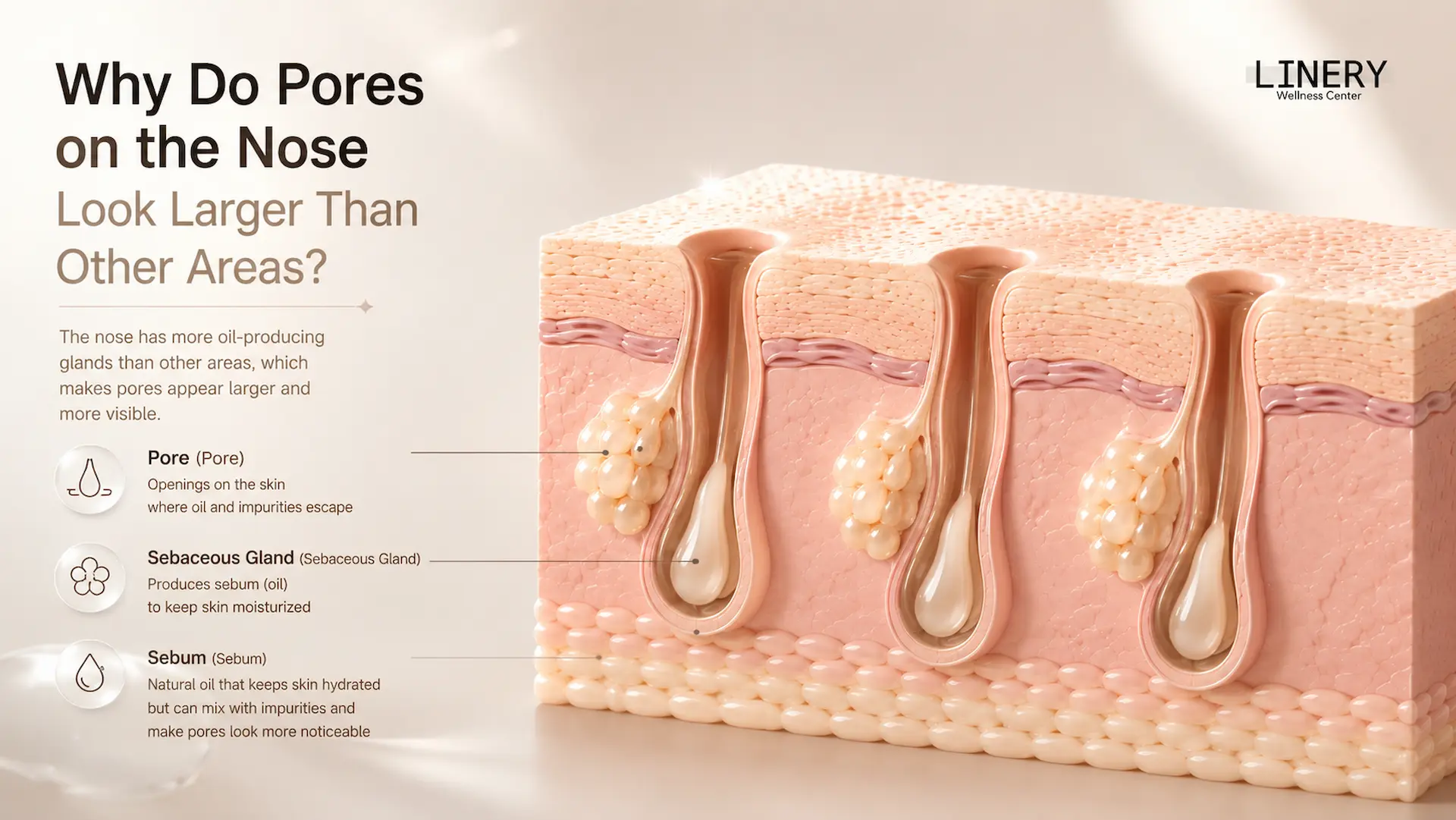
Pores around the nose often appear more visible because this area belongs to the T-zone, where sebaceous glands are typically more active. Increased oil production may make pores appear more noticeable. However, oily skin alone may not explain everything.
The nose tends to accumulate more oil and buildup than some other facial areas, which may cause pores to appear larger or more visible compared to the cheeks or forehead.
Besides oil production, changes in skin elasticity over time and individual skin structure may also contribute to more noticeable pores.
How Do Sebaceous Glands in the T-Zone Affect Pores?
Sebaceous glands produce natural oils that help protect the skin barrier. When oil production increases, pores may appear more visible due to oil accumulation within the pore opening.
However, oily skin does not always mean a person will have visibly enlarged pores, as other factors such as genetics, skin care habits, and natural skin structure may also play a role.
Does Skin Structure Affect Pore Visibility?
Skin characteristics vary from person to person, including thickness, elasticity, and sebaceous activity. These differences may influence how visible pores appear.
Observing pores alone may not provide a complete picture of skin condition, as oiliness, clogged pores, or other skin concerns can coexist.
How Might Aging and Collagen Relate to Pore Appearance?
As people age, natural changes in skin structure and elasticity may occur. This may make pores appear more visible in some individuals, although the extent varies from person to person.
Expert Insight: Many people assume visible pores are caused only by oily skin. In some cases, changes in skin quality and elasticity may also be contributing factors, especially when concerns become more noticeable over time.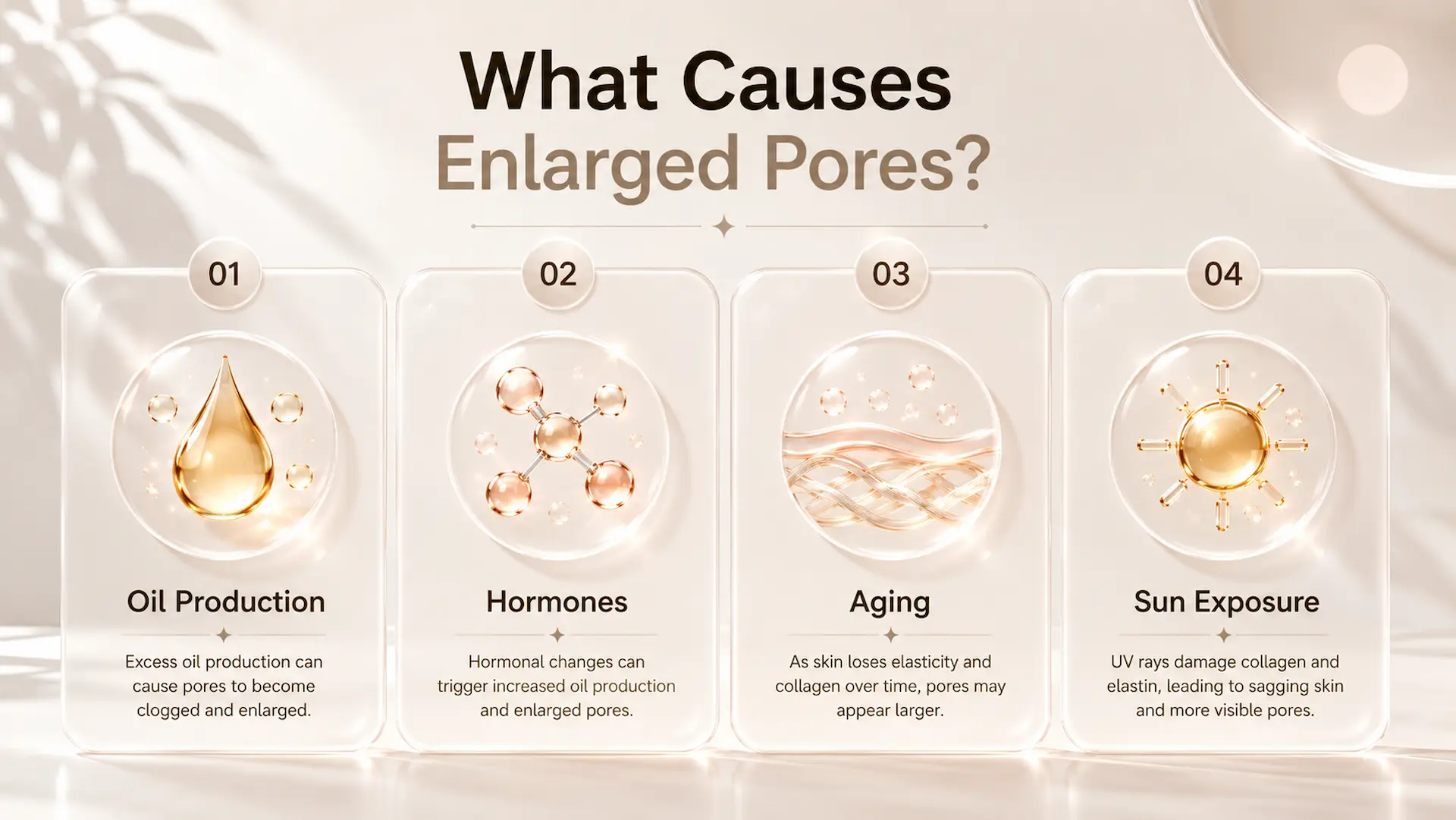
What Causes Enlarged Nose Pores?
Visible pores around the nose may not result from a single factor. Instead, they can be associated with multiple elements, including natural skin characteristics, oil production, aging, and environmental influences. Individual differences in skin type may also affect how noticeable pores appear.
In some cases, pores that seem larger may be related to oil buildup or material accumulated within pore openings, making the skin texture appear less smooth.
Oily Skin and Sebum Production
Higher oil production may make pores appear more visible, especially around the nose, which belongs to the T-zone where sebaceous glands are typically more active.
However, not everyone with oily skin experiences equally visible pores, as additional factors may also contribute.
Genetics and Natural Skin Characteristics
Natural skin traits may be influenced by genetics, including oiliness, skin thickness, and how visible pores tend to appear.
Some individuals may naturally have more noticeable pores around the nose from a younger age without this indicating a skin concern.
Aging and Changes in Skin Quality
As people age, skin elasticity may gradually change. This can make pores appear more noticeable in some individuals compared with earlier years.
The degree of change varies and may involve multiple contributing factors beyond age alone.
Sebaceous Filaments, Clogged Pores, and Buildup
Oil, dead skin cells, or other buildup may make pore openings appear more visible, leading some people to perceive them as enlarged pores.
This may commonly coexist with sebaceous filaments, particularly around the nose.
Sun Exposure and Environmental Factors
Long-term sun exposure may affect overall skin quality and contribute to changes that make pores appear more noticeable in some individuals.
Skin care habits and environmental factors may also influence skin texture over time.
Expert Insight: If pores around the nose become noticeably more visible over time despite previously stable skin characteristics, it may be helpful to consider broader factors such as skin care habits, increased oil production, or overall changes in skin quality.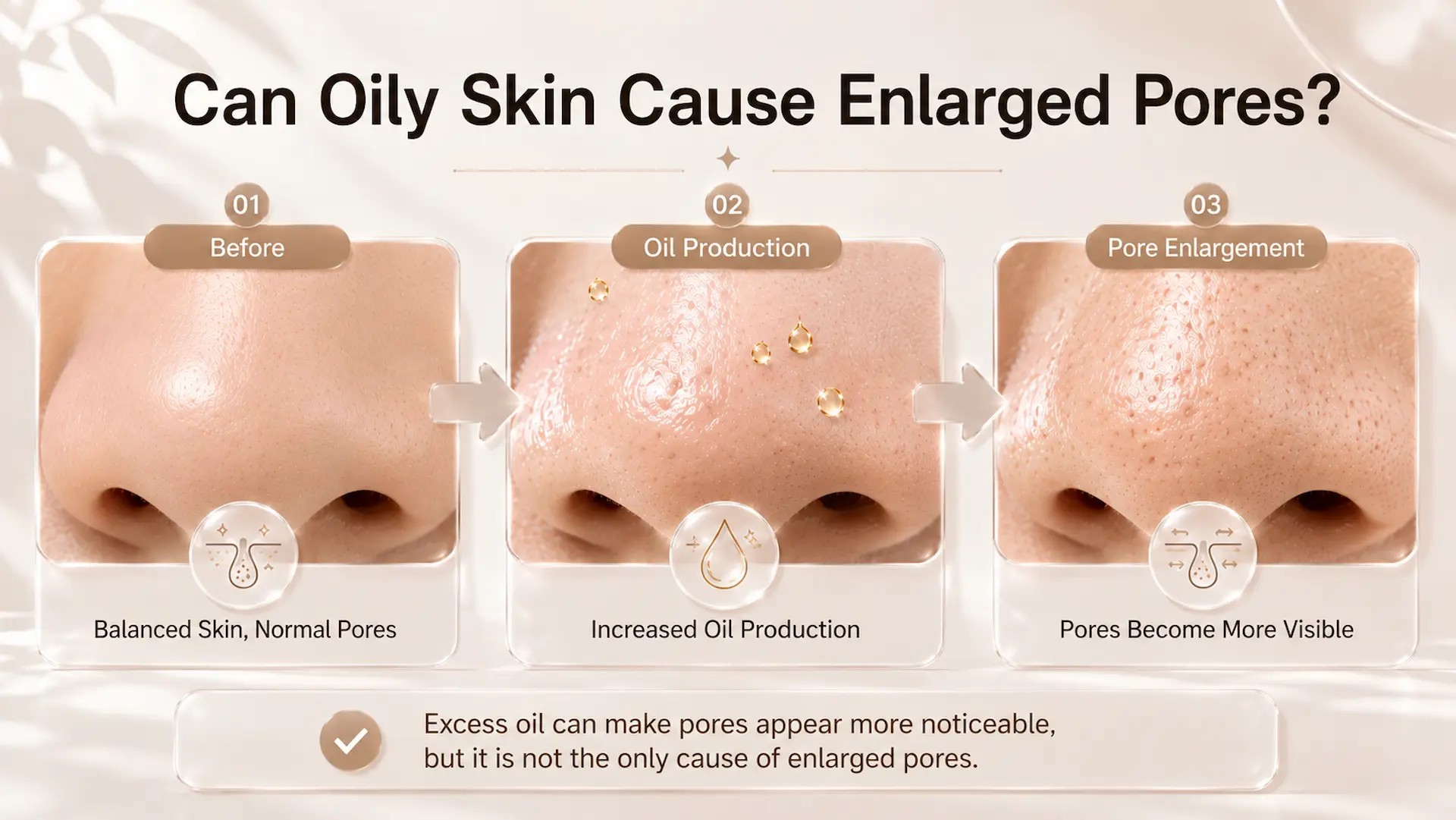
Are Enlarged Nose Pores Really Related to Oily Skin?
Oily skin may be one factor associated with more visible pores around the nose, but it is not necessarily the only explanation. Some people have oily skin with minimal visible pores, while others notice visible pores despite not having highly oily skin.
One reason is that the nose contains more active sebaceous glands than many other facial areas. Increased oil production may make pore openings appear more noticeable, especially when combined with oil buildup.
However, oil production alone may not fully explain pore visibility. Skin structure, elasticity, and natural skin characteristics may also contribute.
Does Oily Skin Actually Cause Enlarged Pores?
The term “enlarged pores” does not always mean pores physically become larger. In some cases, pores simply appear more visible due to oil accumulation or material within the pore opening.
This may explain why pores around the nose seem more noticeable during periods of increased oiliness.
Can People With Dry Skin Also Have Visible Nose Pores?
Although oily skin is often discussed, people with dry or combination skin may also experience visible pores around the nose.
In such cases, skin structure, age, or overall skin quality may play a role beyond oil production alone.
Oily Skin vs Visible Nose Pores: What’s the Difference?
| Comparison | Oily Skin | Visible Nose Pores |
|---|---|---|
| Related to | Oil production | More noticeable pore openings |
| Common signs | Shiny skin | Visible texture or pores |
| Can coexist? | Yes | Yes |
| Are they the same? | No | No |
What Is the Difference Between Sebaceous Filaments and Visible Nose Pores?
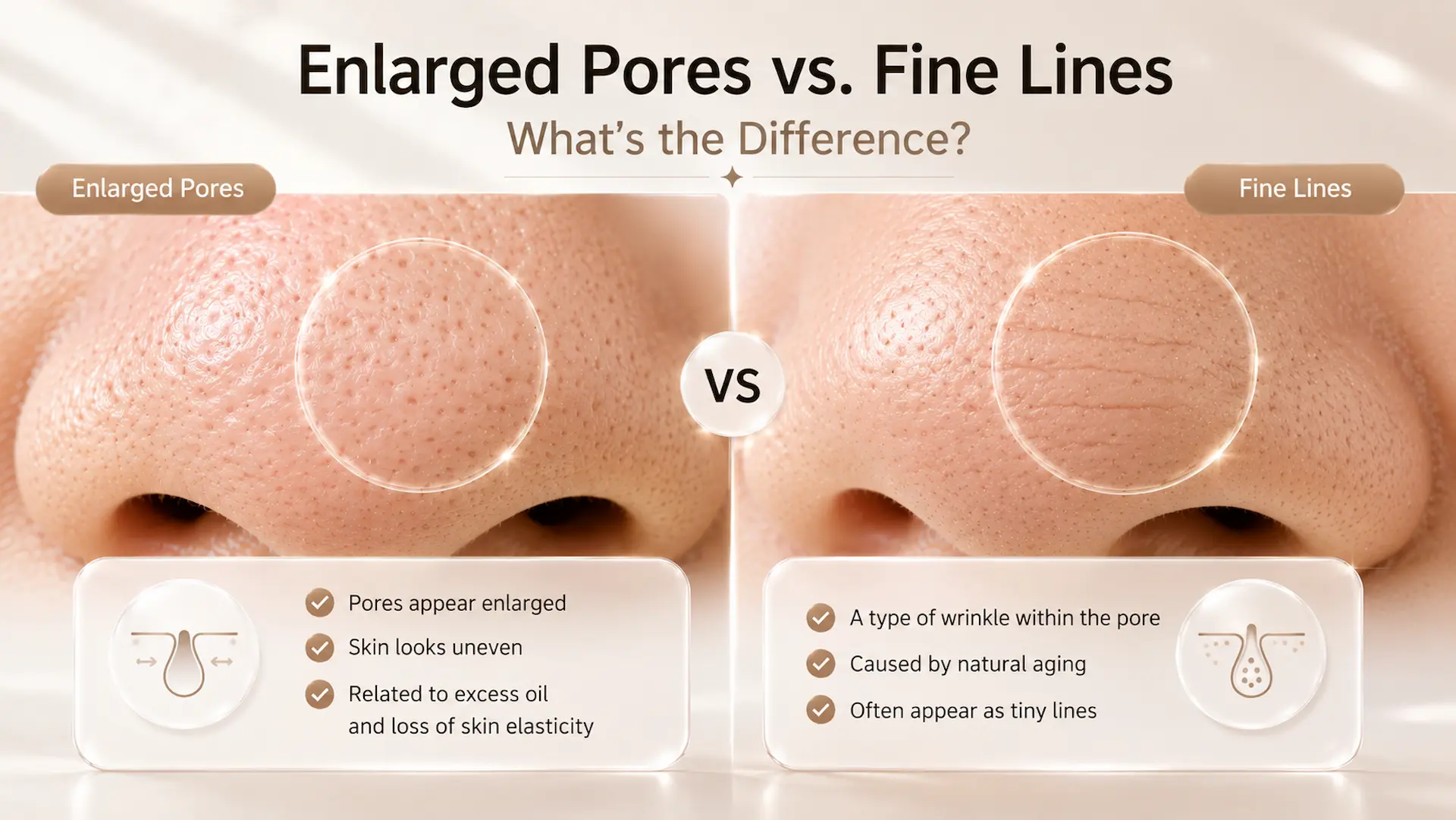
Sebaceous filaments are accumulations of oil and dead skin cells inside pores, often appearing as small gray, white, or dark dots around the nose. Visible pores, on the other hand, refer to pore openings that appear more noticeable. Although they may occur together, they are not always the same.
Many people assume that all small dots around the nose represent enlarged pores or blackheads. In reality, some may simply reflect natural oil accumulation within pores.
Understanding the difference may help provide a clearer view of skin characteristics and reduce confusion about skin care approaches.
Comparison: Sebaceous Filaments vs Visible Nose Pores
| Comparison | Sebaceous Filaments | Visible Nose Pores |
|---|---|---|
| Definition | Oil and dead skin buildup within pores | More noticeable pore openings |
| Appearance | Small white, gray, or dark dots | Visible openings and uneven texture |
| Common areas | Nose, chin, T-zone | Nose, cheeks, T-zone |
| Related factors | Oil production | Skin characteristics, oil, aging |
| Are they identical? | No | No |
Are Sebaceous Filaments Normal?
Sebaceous filaments may occur naturally, especially in individuals with higher oil production. Their presence does not always indicate a skin concern.
However, when combined with buildup or other skin changes, they may make pores appear more noticeable.
Why Are Sebaceous Filaments Often Mistaken for Enlarged Pores?
Because both tend to appear in similar areas and present as small visible spots or openings, they are often confused despite involving different underlying factors.
How to Care for Skin Around the Nose With More Visible Pores
Skin care for visible pores around the nose may begin with understanding individual skin characteristics. More noticeable pores can be associated with oiliness, skin balance, or other contributing factors. Therefore, skin care approaches may vary from person to person.
Many people focus only on reducing oil, but appropriate care may also involve maintaining skin hydration, considering buildup within pores, and evaluating daily skin care habits.
Maintain Appropriate Skin Cleansing
Cleansing may help reduce buildup on the skin surface. However, excessive washing or harsh products may disrupt skin balance in some individuals.
Product selection may depend on skin type, including oily, combination, or sensitive skin.
Consider Skin Hydration
Even people with oily skin may benefit from maintaining balanced hydration. Skin imbalance may influence how skin behaves and appears over time.
Skin care goals may extend beyond oil control to supporting overall skin quality.
Observe Habits That May Affect Skin
Frequent touching, squeezing the nose area, or using multiple products simultaneously may influence skin condition in some individuals.
Monitoring skin changes alongside daily habits may help identify contributing factors.
Consider Overall Skin Condition
Visible pores may represent only one aspect of skin characteristics and should not always be evaluated separately from oiliness, congestion, or overall skin quality.
A broader understanding of skin condition may support more suitable skin care decisions.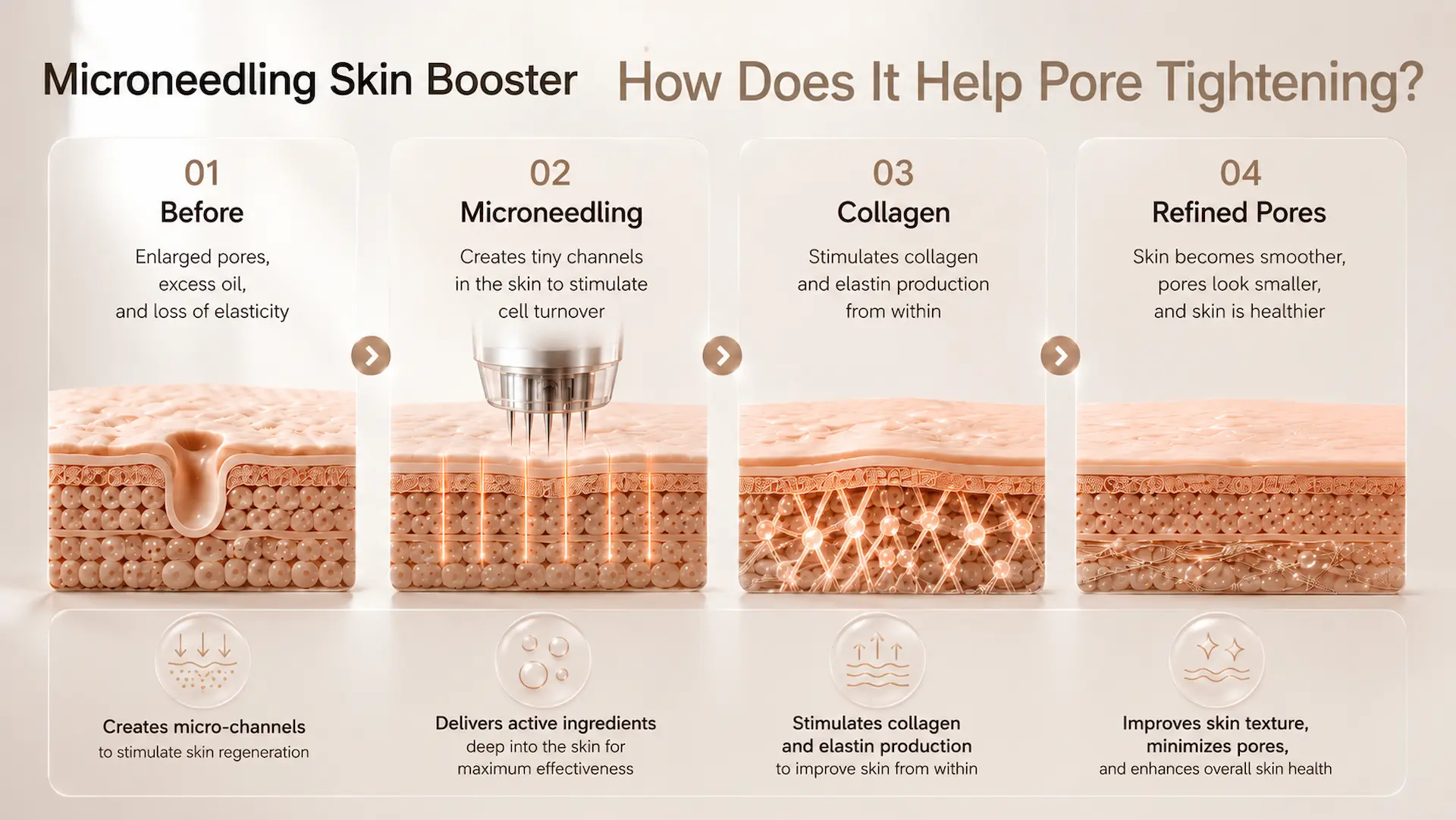
Regenerative Skin Perspective: Looking Beyond Visible Pores
A regenerative approach to skin care focuses not only on visible concerns such as oiliness or noticeable pores, but also on overall skin quality and factors related to skin structure over time. This perspective emphasizes individualized skin assessment rather than focusing only on symptoms.
Skin characteristics vary among individuals, including oil production, elasticity, age, and environmental influences. As a result, similar-looking pores may involve different contributing factors.
Why Individual Skin Assessment Matters
Visible pores do not always share the same underlying causes. In some cases, oiliness may be a key factor, while in others, changes in overall skin quality may also play a role.
Understanding skin more comprehensively may support more personalized care considerations.
Skin Care May Involve More Than Pore Appearance Alone
When discussing visible pores around the nose, attention often focuses only on pore size. However, considering additional factors such as skin balance, oil production, and daily habits may provide a broader understanding of skin condition.
A holistic perspective often places importance on overall skin quality rather than isolated concerns.
Expert Insight: Visible skin concerns may represent only part of a broader picture. Considering factors such as skin quality, elasticity, and baseline skin condition may help support a more comprehensive understanding.
Those interested in deeper skin quality approaches may explore further information related to personalized skin care and regenerative perspectives.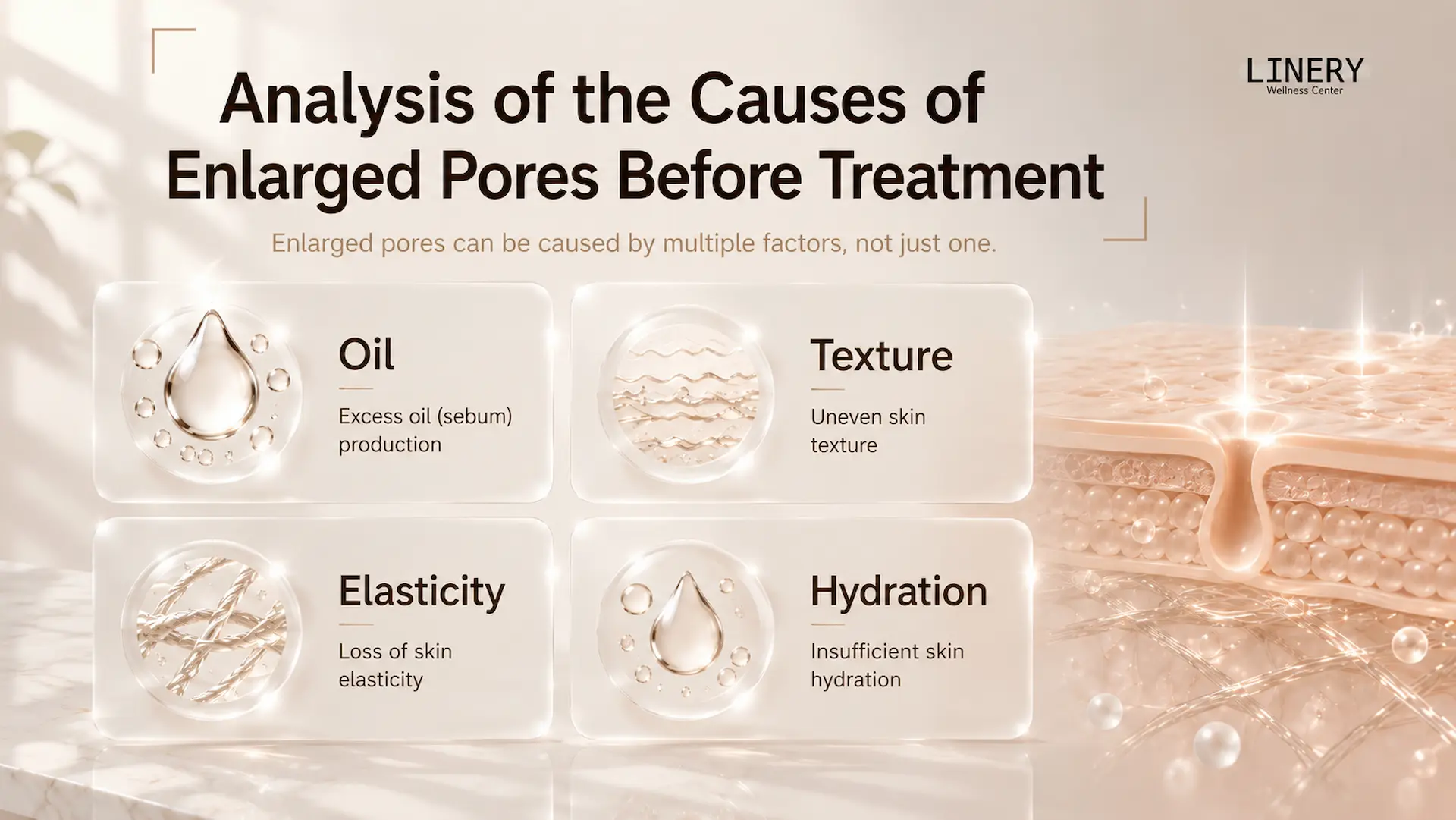
When Should You Consider Further Skin Assessment?
Visible pores around the nose do not always indicate a skin concern. However, if changes in pore appearance occur alongside increased oiliness, congestion, or ongoing skin concerns, further skin assessment may help provide a broader understanding of contributing factors.
In some cases, skin changes develop gradually, making the nose appear less smooth over time or leading to concerns beyond visible pores alone.
Signs That May Indicate Further Skin Evaluation
Examples may include:
- Pores around the nose becoming progressively more noticeable
- Increased oiliness, congestion, or accompanying skin concerns
- Existing skin care routines no longer feeling suitable
- Concerns extending beyond pore appearance to overall skin quality
Skin assessment may involve understanding broader factors such as skin characteristics, environmental influences, and daily habits rather than focusing only on visible pores.
Skin Care Considerations May Differ Between Individuals
Two people with similar-looking pores may still have different underlying skin characteristics. Therefore, a single approach may not be suitable for everyone.
Understanding individual skin condition may help support more personalized care decisions over time.
Expert Insight: Similar-looking skin concerns do not always share the same underlying factors. A more comprehensive skin assessment may provide broader insights beyond visible appearance alone.
For those interested in exploring regenerative approaches to improving skin quality, additional information on Microneedling Skin Booster and personalized skin care considerations may offer further insights based on individual skin conditions.
Frequently Asked Questions About Visible Nose Pores
Can visible pores around the nose improve on their own?
Visible pores around the nose may change depending on skin type, age, oil production, and skin care habits, but this does not necessarily mean they will return to their previous appearance in every individual.
Observing skin changes alongside other factors may provide a broader understanding of skin characteristics.
Does squeezing sebaceous filaments make pores larger?
Frequent squeezing does not always mean pores become larger, but repeated irritation may affect skin condition in some individuals.
Skin response may vary depending on habits and individual skin characteristics.
Does aging make nose pores appear more visible?
Natural changes in skin elasticity over time may contribute to more noticeable pores in some individuals. The degree of change varies between people.
Environmental factors and skin care habits may also play a role.
Can people with dry skin have visible nose pores?
Visible pores may also occur in people with dry or combination skin, not only oily skin. Skin structure and overall skin quality may contribute.
Can deeper skin care approaches support overall skin quality?
Advanced skin care approaches often consider overall skin quality rather than focusing only on visible concerns. Individual skin condition may influence suitable care considerations.
For those interested in exploring regenerative approaches to improving skin quality, additional information on Microneedling Skin Booster may provide further insights.
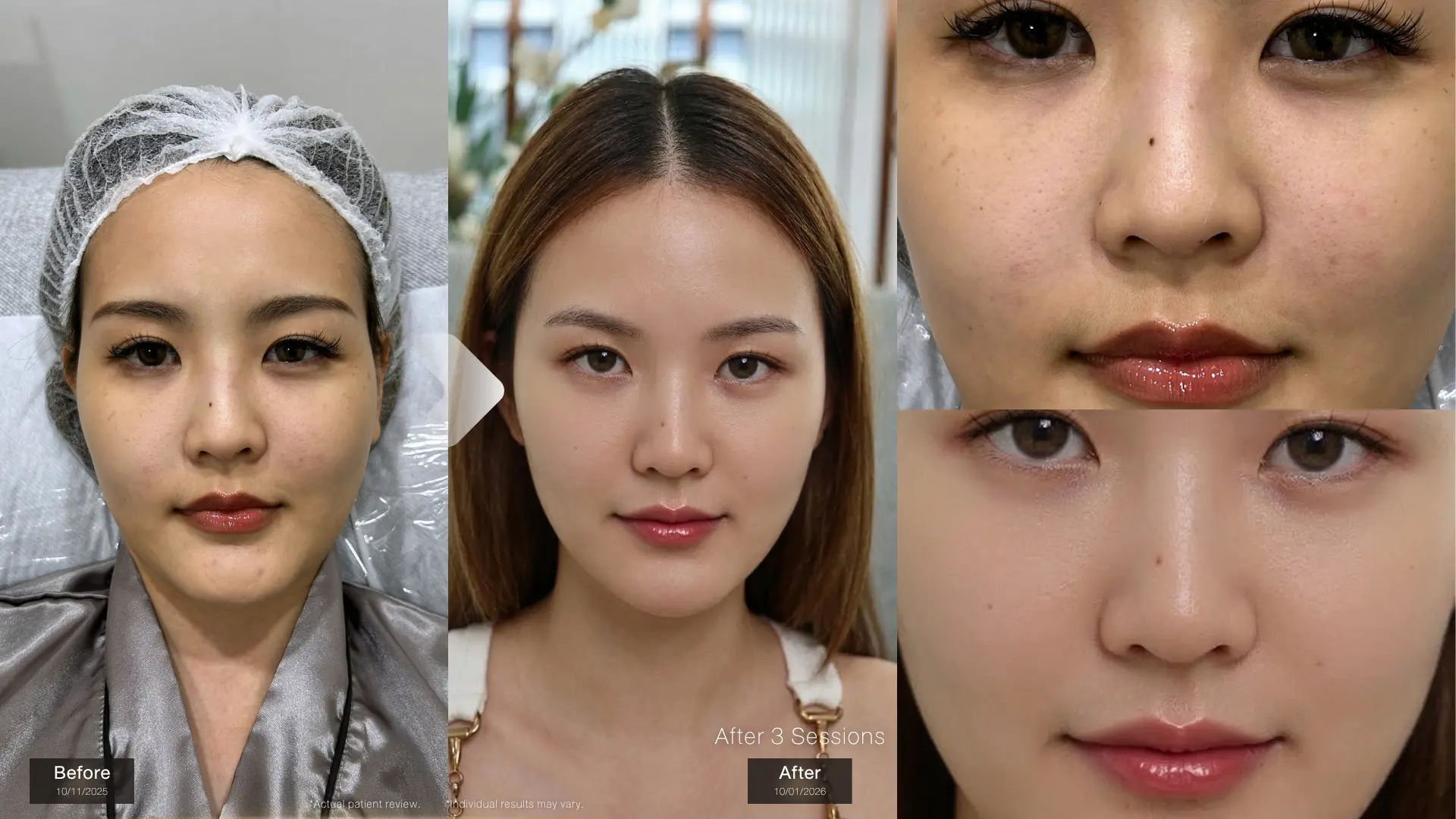
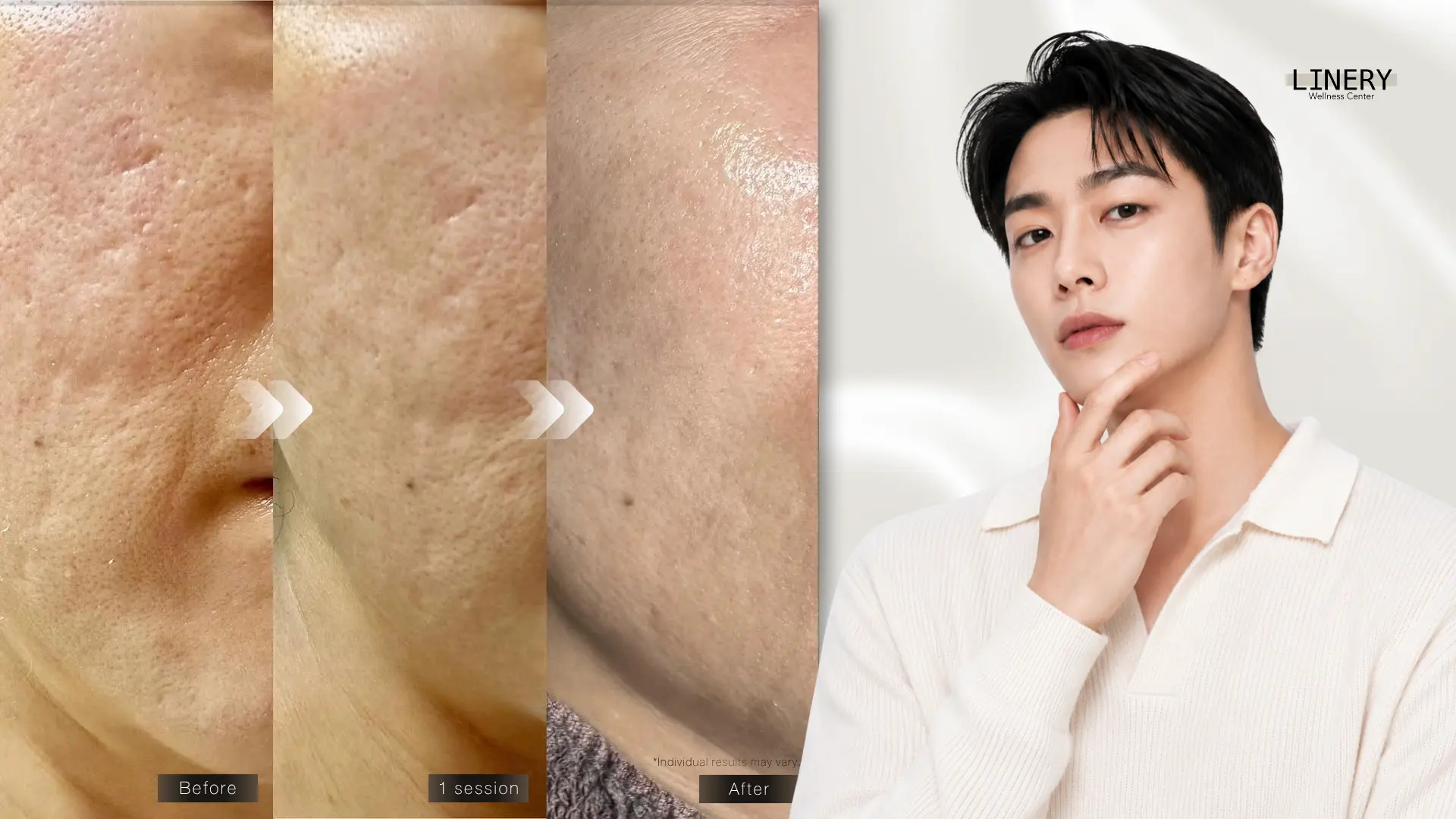
Review at Linery
References
- NIH – PubMed Central: Skin aging and collagen changes
- Harvard Health Publishing. How aging affects skin structure and elasticity.
- American Academy of Dermatology (AAD): Oily skin care recommendations
- Farage MA, Miller KW, Elsner P, Maibach HI. Intrinsic and extrinsic factors in skin ageing: a review. International Journal of Cosmetic Science. 2008;30(2):87–95.