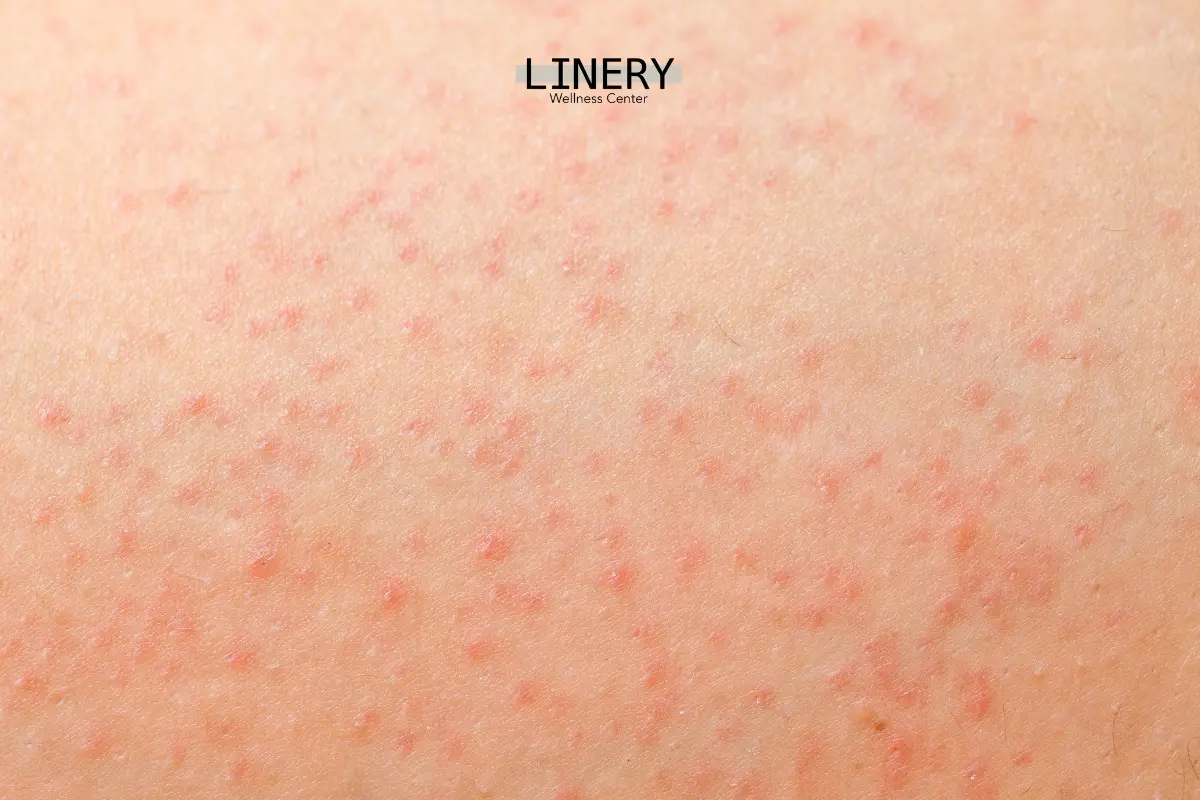
Folliculitis is inflammation of the hair follicles. It may result from bacterial or yeast infection, or from factors that damage or irritate the follicles, such as shaving, friction, and prolonged heat or moisture.
It may appear as small red or pus-filled bumps around individual hairs and can sometimes cause itching, burning, tenderness, or pain.
Treatment should be based on the type and underlying cause of folliculitis, as different forms of the condition may require different approaches.
Some mild cases may improve with appropriate self-care and avoidance of the trigger. However, widespread, persistent, recurrent, or more severe folliculitis may require medical assessment to identify the cause and determine appropriate treatment.
Quick Guide: Folliculitis
- Folliculitis is inflammation of the hair follicles. It commonly appears as small red or pus-filled bumps around individual hairs and may cause itching, burning, tenderness, or pain.
- Causes may include bacteria, yeast, other infectious organisms, or irritation associated with shaving, waxing, friction, heat, and moisture.
- Folliculitis can resemble acne, so the appearance of the bumps alone may not be enough to determine the correct treatment.
- Some mild forms may improve after the trigger is removed and appropriate skin care is used, while recurrent or more severe cases may require cause-specific medication.
- Avoid squeezing, picking, or scratching the bumps, as this can further irritate or damage the affected skin.
- Medical assessment is advisable if the condition is widespread, persistent, recurrent, or accompanied by increasing redness, pain, fever, or other signs of spreading infection.
Insight Guide: Folliculitis: What It Is, How It Differs From Acne and How It Is Treated
What Is Folliculitis?
Folliculitis is inflammation or infection of a hair follicle, which may cause red bumps, pustules, or irritation on hair-bearing skin. It can occur almost anywhere on the body where hair follicles are present, except the palms and soles.
The inflammation may involve only the upper portion of the follicle or extend deeper into the follicular structure, which can affect the appearance, severity, and treatment approach.
Where in the Skin Does Folliculitis Develop?
A hair follicle extends from the skin surface into the dermis and forms part of the pilosebaceous unit together with the sebaceous gland and arrector pili muscle. When the follicle becomes damaged, irritated, or invaded by microorganisms, inflammation can develop.
Folliculitis may therefore occur on areas such as the face, scalp, chest, back, buttocks, thighs, and parts of the body that are frequently shaved or exposed to friction.
What Is the Difference Between Superficial and Deep Folliculitis?
Folliculitis is broadly classified as superficial or deep. Superficial folliculitis affects the upper portion of the follicle and surrounding skin, while deep folliculitis involves more of the follicle or the entire follicle and is generally more severe.
Superficial folliculitis often appears as small red or pus-filled bumps. Deeper involvement may cause more painful, swollen lesions and can sometimes develop into boils, or furuncles.
Recognizing the depth of inflammation is important because not all cases of folliculitis have the same severity, and treatment may differ according to the type and underlying cause.
What Are the Symptoms of Folliculitis?
Folliculitis commonly begins as small acne-like bumps around hair follicles and may be accompanied by itching, burning, tenderness, or pain. The appearance can vary depending on the type, depth, and underlying cause of the inflammation.
Red Bumps Around Hair Follicles
A common sign is a cluster of small red or pimple-like bumps around the areas where individual hairs grow. Some lesions may appear to have a hair in the center or a reddish ring around the follicle.
The number and distribution of bumps can vary from a few isolated spots to a more widespread eruption, depending on the type of folliculitis and the contributing trigger.
Pustules or Small Pus-Filled Blisters
Some forms of folliculitis cause small pustules or pus-filled blisters. These lesions may eventually rupture and form crusts on the surface of the skin.
However, pus alone does not confirm a bacterial cause because other forms of folliculitis can look similar. Treatment should therefore not be selected solely from the appearance of the bumps.
Itching or Burning
Itching is common in some forms of folliculitis, and the affected skin may also feel irritated or have a burning sensation.
Prominent itching, particularly when many similar-looking bumps are present, can provide useful diagnostic information but is not sufficient to determine the cause without further assessment.
Pain or Tenderness
Inflamed follicles may feel painful or tender to the touch, especially when inflammation extends deeper into the follicle.
If the lesions become larger, increasingly swollen, red, or painful, the inflammation may be becoming more severe. Squeezing or picking the affected area should be avoided.
Crusting After a Lesion Breaks
Pus-filled lesions can sometimes rupture and leave a superficial sore or crust. Mayo Clinic notes that folliculitis can occasionally spread and develop into crusted sores.
A rapid increase in redness or pain together with fever, chills, or feeling unwell can indicate a spreading infection and should prompt medical evaluation.
How Is Folliculitis Different From Acne?
Folliculitis and acne can look similar, but they are not the same condition. Folliculitis involves inflammation of a hair follicle and may result from infection or irritation, while acne is associated with follicles becoming clogged with sebum and dead skin cells, with inflammation developing in some lesions.
One useful distinction is that acne can produce blackheads and whiteheads (comedones). Folliculitis more often appears as red or pus-filled bumps centered around hair follicles, and some forms can be particularly itchy. Appearance alone, however, is not always enough for a reliable diagnosis.
| Feature | Folliculitis | Acne |
|---|---|---|
| Lesion pattern | Often centered around hair follicles | Develops within the pilosebaceous unit |
| Blackheads / whiteheads | Not a typical feature | Common |
| Red bumps / pustules | Can occur | Can occur |
| Itching | Common in some types | Possible, but not usually a defining feature |
| Causes | May include infection or follicular irritation | Sebum, follicular blockage, bacteria, and inflammation |
| Treatment | Depends on the type and cause | Depends on acne type and severity |
The American Academy of Dermatology notes that folliculitis is one condition that can be mistaken for acne. If an acne-like eruption does not respond as expected, or consists of many similar itchy bumps, another diagnosis may need to be considered.
Is Folliculitis the Same as “Fungal Acne”?
The term “fungal acne” commonly refers to Malassezia (Pityrosporum) folliculitis, an inflammation of hair follicles associated with Malassezia yeast. Despite the popular name, it is not acne vulgaris in the medical sense.
It often presents as multiple small, similar-looking bumps that may itch and commonly affect areas such as the forehead, chest, or upper back. These features can overlap with acne and other forms of folliculitis, so appearance alone should not be used for self-diagnosis.
Is Folliculitis the Same as Razor Bumps?
Not exactly. Pseudofolliculitis, or razor bumps, develops when shaved hairs curve back into or penetrate the skin, producing inflammation that can resemble folliculitis. It does not necessarily mean that the follicle is infected.
It commonly affects shaved areas such as the face and neck and can also occur after hair removal elsewhere on the body. Distinguishing pseudofolliculitis from infectious folliculitis matters because their management and medication needs can differ.
What Causes Folliculitis?
Folliculitis can result from both infection and irritation of the hair follicles. Bacteria are a common cause, but yeast, shaving, friction, heat, moisture, certain medications, and some underlying health conditions may also contribute.
Identifying the cause matters because different forms of folliculitis require different treatment approaches, and bumps that look similar on the surface do not necessarily have the same underlying cause.
Bacterial Folliculitis
Bacterial folliculitis is commonly associated with Staphylococcus aureus. These bacteria can normally live on the skin, but they may cause infection when damaged follicles or small breaks in the skin allow them to enter.
It may appear as itchy red bumps or pustules around individual hairs. However, the presence of pus alone does not confirm a bacterial cause because other forms of folliculitis can look similar.
Yeast or Fungal Folliculitis
Malassezia folliculitis is associated with Malassezia yeast and often causes multiple similar-looking bumps that may be itchy. Common sites include the chest, back, and parts of the face.
This condition should be distinguished from acne and bacterial folliculitis because the underlying causes and treatment approaches differ.
Shaving, Plucking, or Waxing
Shaving, plucking, and waxing can irritate or damage hair follicles, creating small injuries that may trigger inflammation or make it easier for microorganisms to enter the follicle.
Very close shaving can also cause razor bumps, or pseudofolliculitis, when hairs grow back into the skin. This can resemble infectious folliculitis without necessarily involving an infection.
Sweat, Heat, and Friction
Tight clothing, heat, moisture, sweat, and repeated rubbing can damage or irritate hair follicles, particularly in warm and occluded areas of the body.
This is one reason folliculitis may develop after exercise or in areas repeatedly covered by tight workout clothing, including the thighs, buttocks, and back.
Hot Tub Folliculitis
Hot tub folliculitis is commonly associated with Pseudomonas aeruginosa found in poorly maintained hot tubs, heated pools, or similar water environments where chlorine and pH levels are not properly controlled.
The rash often develops within about 1–2 days after exposure and may be more noticeable beneath areas covered by a swimsuit. It typically causes itchy red bumps that can develop into small pustules.
Medications and Underlying Health Factors
Some cases or risk factors for folliculitis are associated with medications and underlying health conditions. Mayo Clinic lists examples such as corticosteroids, long-term antibiotic treatment for acne, and certain chemotherapy drugs.
Excessive sweating, diabetes, HIV/AIDS, and other conditions that reduce resistance to infection may also increase susceptibility. Having one of these factors does not, however, mean that folliculitis will necessarily develop.
Where Does Folliculitis Commonly Occur?
Folliculitis can develop almost anywhere hair follicles are present. It is commonly seen in areas exposed to sweat, moisture, friction, shaving, or other forms of hair removal, including the face, scalp, chest, back, buttocks, and thighs.
The location can provide clues about possible triggers, but it cannot confirm the cause. Different types of folliculitis can affect the same area of the body.
Face and Beard Area
Facial folliculitis may develop after shaving, particularly around the beard, chin, and neck. Very close shaving or shaving against the direction of hair growth can increase irritation and may also contribute to razor bumps.
Scalp
Folliculitis can occur on the scalp and may appear as red bumps, pustules, itching, or tenderness around the hair follicles.
Persistent or recurrent inflammation, significant crusting, or hair loss in the affected area should be assessed further because several scalp conditions can produce similar symptoms.
Chest and Back
The chest and back are common areas for folliculitis, particularly when sweat, heat, moisture, or friction from clothing is present.
Malassezia folliculitis also commonly affects the upper trunk and may produce multiple similar-sized, itchy bumps. This can sometimes be mistaken for chest or back acne.
Buttocks and Thighs
The buttocks and thighs are frequently exposed to friction and occlusion, particularly from tight clothing, prolonged sitting, or sweat-soaked workout clothes.
Not every bump in these areas is folliculitis, however. Other skin conditions can look similar, so the appearance of the lesions and associated symptoms should also be considered.
Areas That Are Shaved or Waxed
The underarms, legs, bikini area, and other frequently shaved, plucked, or waxed areas can become irritated around the hair follicles.
How Is Folliculitis Treated?
Folliculitis can be treated, but the appropriate treatment depends on the underlying cause, type, and severity of the inflammation. Some mild cases may improve with appropriate skin care and removal of the trigger, while bacterial or yeast-related folliculitis may require cause-specific medication.
For recurrent, persistent, or difficult-to-identify cases, a healthcare professional may perform additional tests, such as a bacterial culture or skin scraping for yeast, to help determine the cause and guide treatment.
Treatment for Mild Folliculitis
Some mild cases, particularly those associated with irritation, may improve by reducing friction, avoiding tight clothing, and temporarily stopping shaving, plucking, or waxing in the affected area.
A clean, warm compress may help relieve discomfort. The skin should also be cleansed gently, and squeezing, picking, or scratching the bumps should be avoided.
Treatment for Bacterial Folliculitis
For bacterial folliculitis, treatment depends on the extent and severity of the infection. Limited cases may be treated with topical antibacterial or antibiotic medication, while widespread, severe, or recurrent infections may require an oral antibiotic prescribed by a healthcare professional.
If the condition keeps returning or does not respond to initial treatment, a swab and culture may be used to identify the organism and help guide appropriate therapy.
Treatment for Yeast or Fungal Folliculitis
When folliculitis is caused by yeast, such as Malassezia folliculitis, treatment involves an appropriate antifungal medication. Depending on the condition, this may include topical products, medicated shampoos, or oral antifungal therapy.
Antibiotics used for bacterial infections do not treat yeast-related folliculitis. Identifying the underlying cause is therefore important, particularly when acne-like bumps fail to improve with conventional acne treatment.
Folliculitis From Shaving or Ingrown Hairs
If the condition is triggered by shaving, plucking, or waxing, temporarily stopping hair removal can allow irritated follicles to recover. The American Academy of Dermatology recommends stopping these practices for about 30 days when they are responsible for folliculitis.
For pseudofolliculitis, or razor bumps, avoiding very close shaving and adjusting shaving techniques are important parts of management. If the condition persists despite these measures, laser hair removal may be considered in selected patients.
Why Should You Avoid Guessing Between Antibiotics and Antifungals?
Acne-like follicular bumps may result from bacteria, yeast, irritation, ingrown hairs, or another skin condition. Choosing medication based on appearance alone may therefore fail to address the actual cause.
For example, antibiotics do not treat Malassezia folliculitis, while antifungal medications are not treatments for bacterial folliculitis. Persistent, recurrent, or unclear cases should be properly assessed before cause-specific medication is used.
Can Folliculitis Go Away on Its Own?
Yes. Some mild cases of folliculitis can improve or resolve on their own, especially when the trigger is removed and the skin is cared for appropriately. Mayo Clinic notes that mild folliculitis often heals within a few days with basic self-care and usually does not leave scars.
For example, when folliculitis is triggered by shaving, friction, or tight clothing, temporarily avoiding the trigger may allow the inflammation to settle. The American Academy of Dermatology notes that many acne-like folliculitis breakouts can clear when the activity causing follicular damage is stopped.
However, more severe, widespread, recurrent, or infection-related cases may require cause-specific medication, such as an antibiotic or antifungal treatment.
If symptoms do not improve after about 1–2 weeks of self-care, or if redness, swelling, or pain is worsening, medical assessment is recommended. Fever, chills, or feeling generally unwell may indicate a spreading infection and require more urgent evaluation.
Why Does Folliculitis Keep Coming Back?
Recurrent folliculitis often occurs when the original trigger remains or when the underlying cause has not been fully addressed. Repeated shaving, friction, sweat, moisture, or treatment that does not match the type of folliculitis can all contribute to recurrence.
Recurrence does not necessarily mean that a bacterial infection is responsible. Folliculitis has several possible causes, including yeast, ingrown hairs, certain medications, and other conditions that can resemble folliculitis.
Ongoing Triggers
If the follicles continue to be irritated or damaged by tight clothing, repeated rubbing, or other mechanical factors, inflammation may return even after the previous episode has improved.
Noticing whether the bumps repeatedly appear after a particular activity, product, or type of clothing can help identify a recurring trigger.
Repeated Shaving or Hair Removal
Shaving, plucking, and waxing can repeatedly irritate or damage follicles, particularly around the beard area, neck, underarms, legs, and bikini line.
Sweat, Heat, and Moisture
Hot, moist conditions combined with friction can make hair follicles easier to damage. This can be particularly relevant for people who exercise frequently or remain in tight, sweat-soaked clothing for prolonged periods.
Changing out of sweaty clothing and showering after exercise can help reduce some of these recurring triggers.
Treatment Does Not Match the Cause
Different types of folliculitis can look very similar. If treatment is selected without identifying the underlying cause, the condition may fail to improve or return after treatment stops.
For recurrent or treatment-resistant cases, a healthcare professional may perform a culture, examine a skin scraping for yeast, or investigate other conditions that can mimic folliculitis.
How to Prevent Folliculitis From Coming Back
Preventing recurrent folliculitis involves reducing repeated irritation or damage to the hair follicles. Common measures include limiting friction, heat, sweat, moisture, and shaving-related irritation, while keeping items that regularly touch the skin clean.
Prevention should also reflect the underlying cause. If folliculitis continues to recur despite avoiding obvious triggers, further assessment may be more appropriate than repeatedly self-treating the condition.
Avoid Tight Clothing and Excessive Friction
Tight clothing can trap heat and sweat while repeatedly rubbing against the skin, making follicular irritation more likely, particularly in hot and humid conditions.
Loose, breathable clothing may be helpful, especially during activities that cause heavy sweating or over areas where folliculitis has occurred before.
Shower and Change Clothes After Sweating
After exercise or heavy sweating, change out of damp clothing and shower to reduce prolonged exposure to heat, moisture, and friction. The American Academy of Dermatology recommends this as one way to reduce the risk of folliculitis.
Cleanse the skin gently rather than aggressively scrubbing, as excessive friction may further irritate the follicles.
Practice Careful Shaving
If folliculitis tends to appear after shaving, use a clean, sharp razor, avoid repeatedly shaving over the same area, and do not share razors with other people.
For recurrent shaving-related bumps, adjusting shaving technique or considering another hair-removal method may help. The most appropriate approach depends on individual skin tolerance.
Do Not Share Towels or Personal Skin-Care Items
Use clean towels and washcloths and avoid sharing them with others, particularly when active folliculitis or an infection is present.
Keeping items that frequently contact the affected skin clean may also reduce repeated exposure to microorganisms.
Use Well-Maintained Hot Tubs and Pools
Hot tub folliculitis can be associated with Pseudomonas in water where chlorine and pH levels are not adequately controlled. If the maintenance of a hot tub or heated pool is uncertain, avoiding it may reduce the risk.
After swimming or using a hot tub, remove the swimsuit, shower, and wash the swimsuit before wearing it again.
Avoid Squeezing, Picking, or Scratching the Bumps
Squeezing or picking folliculitis lesions does not address the underlying cause and may further irritate or damage the affected skin.
If the lesions are very itchy, continue to spread, or frequently return, identifying the cause is more useful than repeatedly manipulating the bumps.
Can You Have Microneedling With Folliculitis?
If active folliculitis, pustules, or a localized infection is present in the treatment area, Microneedling should not be performed over that area and should be postponed until the inflammation has resolved.
Active localized infection is listed as a contraindication to Microneedling, and performing a procedure over inflamed or infected skin may increase the risk of complications.
Does Microneedling Treat Folliculitis?
No. Microneedling is not a treatment for active folliculitis. The procedure creates controlled micro-injuries in the skin to stimulate repair and collagen remodeling, making it more relevant to concerns such as certain scars or skin-texture problems than to an active follicular infection.
If inflamed or pus-filled follicular lesions are present, the underlying cause should be treated first rather than performing Microneedling over the active area.
Can Microneedling Be Considered After Folliculitis Has Cleared?
Once the inflammation or infection has resolved, the skin can be reassessed. If separate concerns remain, such as uneven texture or scarring, Microneedling may be considered for those concerns rather than for folliculitis itself.
Suitability should be determined from the current condition of the skin as well as factors such as scarring history, underlying skin disease, and other contraindications.
When Should You See a Doctor for Folliculitis?
Medical evaluation is recommended when folliculitis is widespread, keeps coming back, or does not improve after about 1–2 weeks of self-care. Further assessment may be needed to determine whether bacteria, yeast, or another skin condition is responsible.
If initial treatment does not work, a healthcare professional may examine a skin scraping for yeast, take a swab for culture, or occasionally perform additional testing to rule out another condition.
Widespread or Recurrent Folliculitis
If the bumps affect a large area, repeatedly return in the same location, or continue to recur despite avoiding known triggers, further evaluation may be appropriate rather than repeatedly self-treating the condition.
Recurrent folliculitis may require consideration of the underlying organism, repeated follicular damage, medications, or certain health conditions.
Symptoms Do Not Improve With Self-Care
Mayo Clinic recommends seeking medical care when symptoms do not resolve after approximately 1–2 weeks of self-care, as some cases may require prescription treatment directed at the underlying cause.
If acne medication, antibiotics, or antifungal products have already been tried without improvement, avoid repeatedly switching or adding medications without clarifying the diagnosis.
Rapidly Increasing Pain, Swelling, or Redness
Increasing pain, swelling, or rapidly expanding redness may indicate that the inflammation or infection is becoming more severe.
Medical evaluation is especially important when the redness begins spreading beyond the original affected area.
Fever, Chills, or Feeling Unwell
Seek prompt medical care if folliculitis is accompanied by fever, chills, feeling unwell, or a sudden increase in redness or pain. These may be signs of a spreading infection.
Scarring or Hair Loss in the Affected Area
Severe or deep folliculitis can lead to complications such as scarring, changes in skin pigmentation, and in some cases destruction of hair follicles with permanent hair loss.
If scalp folliculitis is accompanied by hair loss or repeated inflammation begins to leave scars, medical assessment is advisable to identify the cause and reduce the risk of further follicular damage.
FAQ: Frequently Asked Questions About Folliculitis
Is Folliculitis the Same as Acne?
No. Folliculitis and acne are different conditions, although they can look similar. Folliculitis involves inflammation of the hair follicles, while acne is associated with follicular blockage, sebum, and inflammation. The American Academy of Dermatology notes that folliculitis can be mistaken for acne.
Can Folliculitis Go Away on Its Own?
Yes. Some mild cases can resolve on their own, particularly when the triggering activity, such as shaving or friction, is stopped.
Medical assessment is recommended if the condition is widespread, keeps returning, or does not improve after approximately 1–2 weeks of self-care.
Can Acne Medication Be Used for Folliculitis?
Acne medications should not automatically be used to treat every case of folliculitis. The condition may result from bacteria, yeast, irritation, or ingrown hairs, and treatment needs to reflect the cause.
Some products also used for acne, such as benzoyl peroxide cleansers, may have a role in selected cases, but they are not appropriate for every type.
What Does Fungal Folliculitis Look Like?
Malassezia folliculitis often causes multiple small, similar-looking bumps or pustules that may be itchy and commonly affect the chest and back.
These features can overlap with acne and other forms of folliculitis, so appearance alone cannot reliably confirm the diagnosis.
Is Folliculitis Contagious?
It depends on the cause. Not every form of folliculitis is contagious because some cases are related to shaving, friction, or ingrown hairs.
When microorganisms are involved, avoiding shared razors, towels, and other personal items that contact the affected skin is a sensible precaution.
Can You Squeeze Folliculitis Bumps?
Squeezing, picking, or scratching the bumps is not recommended. It does not address the underlying cause and may further irritate or damage the skin.
For mild folliculitis, warm compresses may help relieve discomfort in some cases.
Can You Have Microneedling With Folliculitis?
Microneedling should not be performed over active folliculitis or another localized infection in the treatment area. Active localized infection is listed as a contraindication to Microneedling, so treatment should be postponed until the inflammation or infection has resolved.
Microneedling does not treat active folliculitis itself. After the condition has cleared, separate concerns such as scarring or uneven skin texture can be reassessed to determine whether Microneedling is appropriate.
Reference
- American Academy of Dermatology Association (AAD) — Acne-like breakouts could be folliculitis
- Mayo Clinic — Folliculitis: Symptoms & Causes
- Mayo Clinic — Folliculitis: Diagnosis & Treatment
- NCBI Bookshelf / StatPearls — Microneedling
Disclaimer
This article is intended for general educational purposes and does not replace medical diagnosis, treatment, or professional medical advice. Follicular bumps can have several causes and may resemble other skin conditions.
Seek medical evaluation if symptoms are severe, widespread, recurrent, do not improve with basic care, or are accompanied by fever, increasing pain, swelling, or rapidly spreading redness.